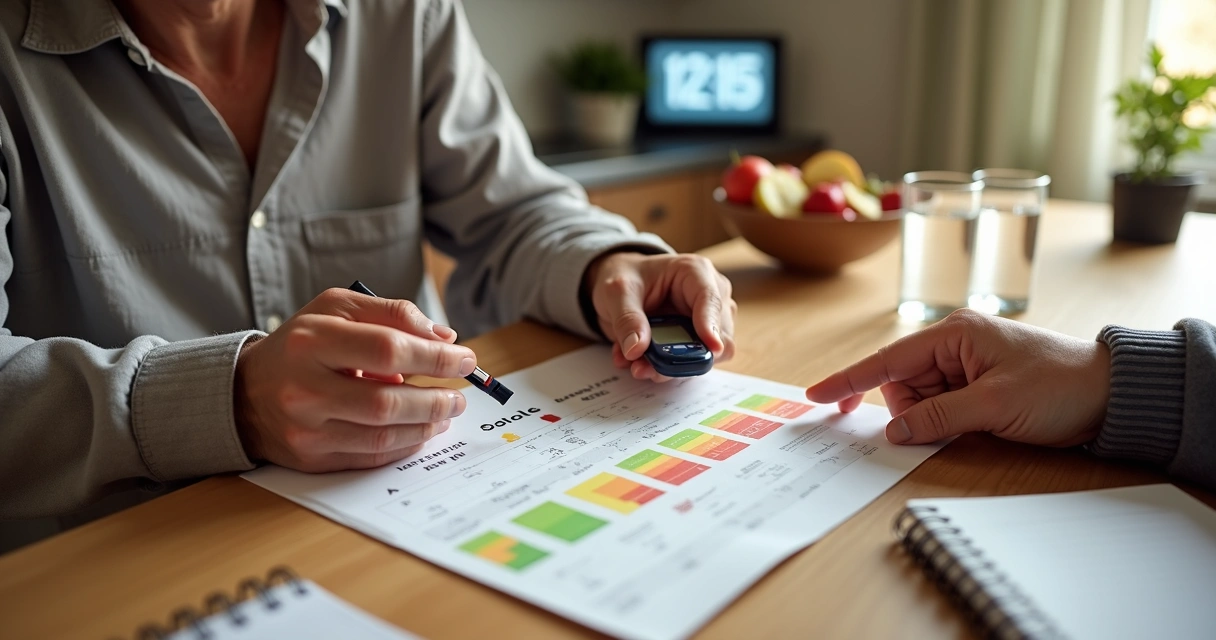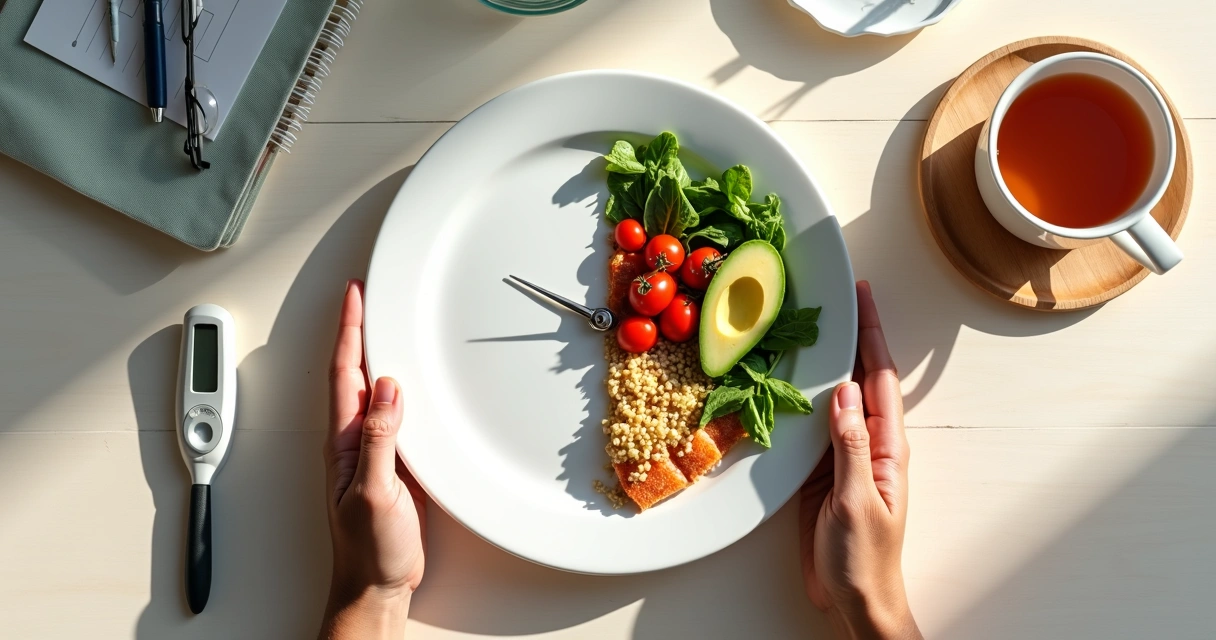
If you’ve ever sat in a doctor’s office and wondered if things could go back to “normal,” you’re not alone. Each year, millions of people aged 40 and older search for real answers about whether type 2 diabetes can be turned around—or at least brought under control. Type2Daily exists for exactly this reason: to offer science-backed answers, a compassionate ear, and gentle encouragement for everyone who wants to live better with diabetes.
What does ‘reversing’ type 2 diabetes really mean?
It’s easy to get lost in hopeful headlines or miracle-cure stories online. But I think it’s much more helpful—and honest—to set clear expectations. “Reversing” type 2 diabetes usually means remission, not cure. In other words, blood sugar levels return to a healthy or “nondiabetic” range, and medication requirements go down or even stop for a while. But that doesn’t mean diabetes has vanished. The risk remains, and regular check-ups are still necessary.
Remission is possible, and for some, it’s sustainable for years. Yet, the path is personal. My own experience and what I see in research is that one-size-fits-all promises rarely work. Instead, I focus on what can be controlled: choices, habits, and mindset.
Insulin resistance: Making sense of the core problem
For most people over 40, type 2 diabetes is rooted in a process called insulin resistance. Our bodies don’t respond to insulin—a hormone that lets sugar leave the blood and enter cells—as well as they used to. Age, weight gain around the belly, inactivity, and even stress make things worse. Over time, the pancreas tries its best to keep up, but eventually, blood sugar keeps rising.
Insulin resistance is like a faulty lock on the door between blood and your cells—sugar can’t get in easily, so it piles up in the bloodstream. This is why focusing on the “lock” (insulin sensitivity) is a smarter approach than just chasing blood sugar numbers.
Why 40+? How aging changes the picture
From what I’ve seen and learned, age changes everything a little. Muscle mass goes down. Metabolism slows. Hormones shift. The body’s “factory settings” aren’t what they used to be—meaning the same habits that worked at 25 simply don’t pack the same punch now. Yet, this isn’t a reason to give up hope. In fact, I’ve seen many people in their 40s, 50s, 60s, and even beyond make meaningful changes. It just takes a slightly different approach.
You’re not too old. It’s not too late.
How weight loss can help (but isn’t magic)
The research is clear: Moderate, steady weight loss—think 5-10% of your body weight—can improve blood sugar dramatically for most people with type 2 diabetes. Even a loss of 5% can make insulin work much better and sometimes put diabetes into remission. This isn’t about crash diets or feeling hungry all day. It’s about finding a “new normal” that fits real life.
- Simplify your plate: Half veggies, a quarter protein (like chicken, fish, or tofu), and a quarter whole grains or starchy foods
- Drink water first, before every meal
- Eat slowly—give your body time to signal you’re full
- Be mindful, not perfect—enjoy treats occasionally, but choose with awareness
Some programs advertise fast, extreme results. But in my experience (and from what I see in the studies), gentle, consistent changes work better for lasting results. Remember the French population-based study? After bariatric surgery, about half of people reached remission, but some relapsed over time. Long-term habits matter most.
The truth about diet: No need for misery
Strict diets rarely make anyone happy or healthy in the long term. Instead, people succeed when they make small, realistic changes they can stick with. That’s why at Type2Daily, you’ll find tips for balanced, flavorful meals—never bland, joyless menus.
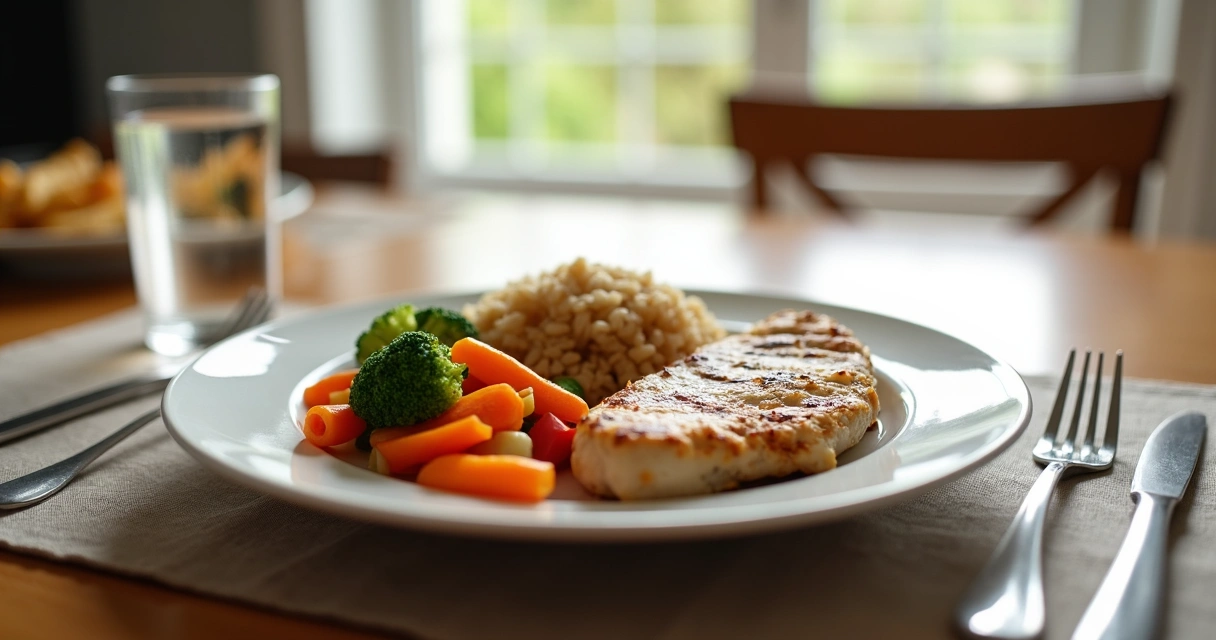 You don’t need forbidden food lists. You need confidence and a few guiding habits. Every person I’ve met who’s found peace with diabetes has built their own set of food “defaults” and swaps—no rigid rules, just patterns that fit their life.
Movement: Gentle but powerful
You don’t have to run a marathon or spend hours in a gym. Often, the biggest differences come from simple, regular activity. Walking, chair exercises, resistance bands, gardening, and stretching—all count. For those of us over 40, it's more about frequency than intensity.
- Park farther from the store entrance
- Walk or stretch for five minutes after every meal
- Try light weights or bodyweight exercises twice a week
- Stand and move during phone calls
Every little bit chips away at insulin resistance and makes blood sugar easier to manage. And honestly, it feels good with time. If you need ideas that feel less intimidating, I always try to tailor exercise guides at Type2Daily for beginners and anyone with creaky knees or a busy life.
Medications, including GLP-1: Helpers, not heroes
Many people ask if medications like GLP-1 receptor agonists (think semaglutide, liraglutide, or others) can “reverse” diabetes all by themselves. While these medicines are changing the landscape—helping with weight loss and better blood sugar—they work best as a tool, not a “get out of jail free” card. Their effect lasts only as long as you take them, and the base of lifestyle is still key.
Medicines support you, especially if you can’t reach remission with diet and movement alone—but they don’t erase the need for healthy habits.
Some global organizations and large diabetes websites focus mainly on medications, but here at Type2Daily, I blend the “what” with the “why”—teaching how pills and injections can fit into a bigger life plan, not just a numbers plan.
Long-term support: You don’t have to do this alone
If there’s one thing that stands out in all data—and even in the American Diabetes Association’s report on intensive, AI-supported interventions—it’s this: Ongoing support makes a real difference. Whether from a healthcare team, loved ones, or even a daily blog companion like Type2Daily, you’re far more likely to see improvements when you’re not isolated.
- Check in weekly with your doctor or diabetes educator, if possible
- Share wins (and struggles) with friends or family
- Track habits, not just blood sugar—celebrate healthy breakfasts or daily walks
Small victories build momentum. Each positive step makes the next one easier. Some competitors give only generic encouragement, but I make a deliberate point of celebrating these everyday wins with real stories and practical ideas from our community.
Debunking myths: Let’s set the record straight
- Myth: “Reversal” means you’re cured forever.Reality: Remission is possible, but diabetes risk remains. Healthy habits are still necessary even when blood sugar is normal.
- Myth: Only extreme diets or surgery lead to remission.Reality: Modest weight loss, improved eating patterns, and movement are enough for many—often without drastic measures.
- Myth: Medications alone are enough.Reality: They help, but habits matter most for long-term change.
- Myth: You have to be perfect or give up treats forever.Reality: Progress, not perfection. Life (and dessert) goes on.
The emotional side: Hope, not guilt
If you’ve ever felt shame or frustration, you’re in good company. The emotional load of type 2 diabetes can be as heavy as the medical side. At Type2Daily, I try to address this openly. Progress takes time; relapses happen. One setback does not wipe out months of healthy effort.
What you do tomorrow matters more than what you did yesterday.
It’s not your fault. But it is your opportunity—to build a way forward that feels possible and even joyful.
Conclusion
In the end, the answer to “can type 2 diabetes be reversed?” is not a simple yes or no—it’s a journey, often within reach, best taken step by step with solid support. At Type2Daily, I believe in your capacity not just to manage diabetes, but to thrive. If you’d like practical tips, an understanding ear, or just a daily nudge of encouragement, take a look around our site. Together, we’ll celebrate—and build on—every step forward.
Frequently asked questions
What is diabetes remission?
Diabetes remission means that blood sugar levels are back in the normal or near-normal range without the need for diabetes medication, at least for several months. It is not a permanent cure; it just means the diabetes is well-controlled without treatment, but the risk can return if habits or health change.
How can I reverse type 2 diabetes?
Reversal (or remission) of type 2 diabetes typically happens by making long-term changes to eating patterns, increasing physical activity, managing weight, and sometimes by taking supportive medications under medical guidance. For some, losing 5-10% of body weight and adopting regular movement is enough. For others, tools like GLP-1 medications or bariatric surgery are also used. But maintaining these changes with support is what keeps diabetes away.
Is diet enough to manage diabetes?
For many people, especially in the early years after diagnosis, a balanced eating pattern can often bring blood sugar down dramatically. However, everyone is different. Some people will also need medication, and the safest way is to work with a healthcare team to build a plan that matches your life, not just your numbers.
What foods help reverse diabetes?
Foods that help reduce insulin resistance and improve blood sugar include plenty of non-starchy vegetables, lean protein (like chicken, fish, eggs, tofu), healthy fats (like olive oil, nuts, avocado), and whole grains in modest amounts. Reducing added sugars, sweetened drinks, and large portions of highly processed foods is also helpful. There’s no single food, but rather a combination and pattern that supports overall health.
How fast can diabetes be reversed?
The time it takes varies for each person and depends on their body, habits, years of diabetes, and the approach chosen. Some people notice improvements within weeks of starting new routines; for others, it takes months. In studies, remission is often measured after six months or more of sustained change. Consistency, not speed, matters most for lasting improvement.