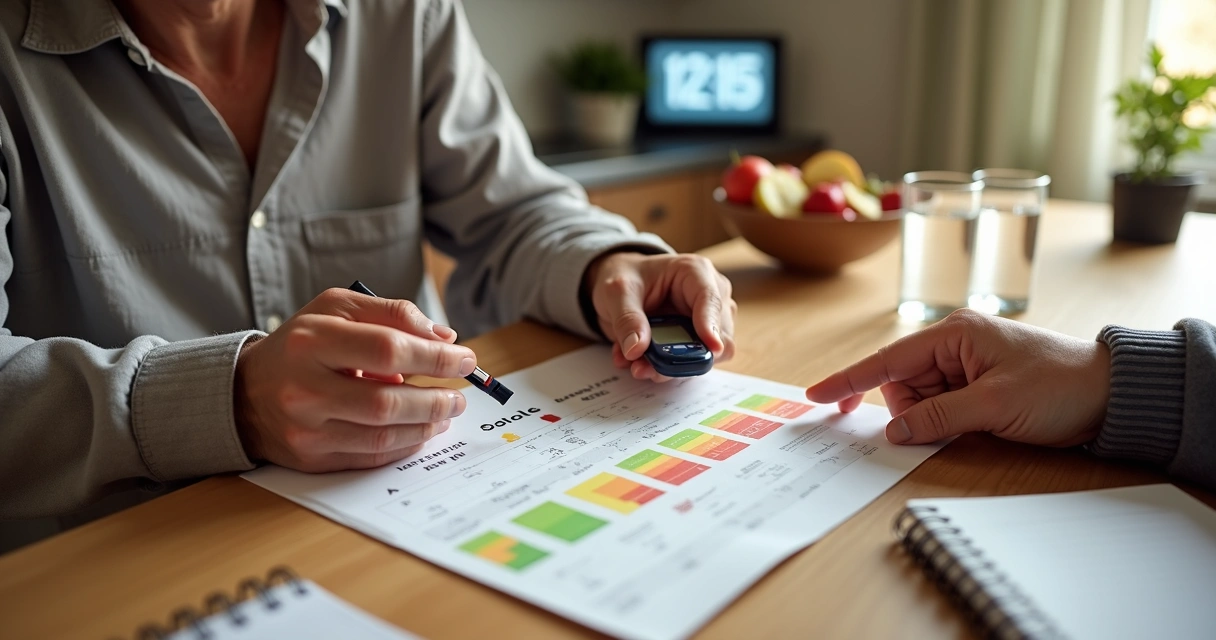
When you hit 40 (as I did a few years back), you notice the little things. Stiff knees in the morning. Needing brighter light to read the menu. And sometimes, after a doctor’s visit, the word “diabetes” starts floating around. If you’re anything like me, you've wondered: What do all these blood sugar numbers mean? Should I panic when I see 142 mg/dL after a big lunch, or is that normal for someone my age? This guide is written for you—and for all of us at Type2Daily who want less worry and more understanding.
Understanding your blood sugar readings
Blood sugar (also called blood glucose) is simply the amount of sugar in your blood at a given time. Your body’s insulin helps keep it in a healthy range, but if you have type 2 diabetes or prediabetes, those ranges are even more meaningful.
I often hear from readers confused by the chart their clinic hands them—the one with all the numbers, units, and ranges for “normal,” “prediabetes,” and “diabetes.” I’ll break it down a bit further, but first, let me walk you through the different times your sugar is checked:
- Fasting blood sugar: This is measured after you haven’t eaten for at least 8 hours (usually in the morning).
- Post-meal (postprandial): Checked about 2 hours after the first bite of your meal.
- Random blood sugar: Measured at any time, without regard to when you last ate.
- A1C: A blood test that gives your average blood sugar over 2 to 3 months, shown as a percentage.
Knowing when your blood sugar is checked makes those numbers make much more sense.
Blood sugar ranges for adults over 40: What’s normal?
It’s not about being perfect. It’s about staying in your range, most of the time.
Your targets might look a little different from your friend’s, or even your partner’s. Age can change how tightly doctors recommend you control your sugar. For adults over 40, especially those with other health concerns, sometimes slightly higher ranges are considered safe to prevent low blood sugar (hypoglycemia), which can be dangerous.
 The Centers for Disease Control and Prevention (CDC) shares these recommended targets for most adults with diabetes:
- Fasting (before eating): 80–130 mg/dL
- 2 hours after eating: Less than 180 mg/dL
- A1C: Below 7%
But what about people without diabetes, or those at risk? Here’s a chart I often use (adjusted to include A1C and the numbers we focus on at Type2Daily):
- Normal:Fasting: 70–99 mg/dL
- 2 hours post-meal: Less than 140 mg/dL
- A1C: Below 5.7%
- Prediabetes:Fasting: 100–125 mg/dL
- 2 hours post-meal: 140–199 mg/dL
- A1C: 5.7%–6.4%
- Diabetes:Fasting: 126 mg/dL or higher
- 2 hours post-meal: 200 mg/dL or higher
- A1C: 6.5% or higher
How age and health shape your targets
I get this question a lot: “Are my numbers bad, or just my age?” The answer isn’t simple. If you’re over 40, especially with long-term diabetes or other health problems, it’s common for doctors to be a bit more flexible in targets. That’s because severe low sugars can be more dangerous as we age.
It’s best to talk honestly with your doctor about your goals—there’s no one-size-fits-all answer. The numbers in blood sugar charts are helpful, but your personal range may be a bit different based on your health, medications, and lifestyle.
Testing methods: How do I check my blood sugar?
- Glucometers: Small, handheld devices that use a finger-prick of blood. Reliable and quick, and many of us at Type2Daily use them daily.
- Continuous glucose monitors (CGM): Small sensors stuck to your arm or belly, checking your sugar all day and night—very helpful for seeing patterns.
- A1C tests: Done in the lab or sometimes as a fingerstick. Shows your long-term blood sugar control.
Each method has its upsides. Glucometers show what’s happening right now, but the A1C shows how you’ve been doing over time. CGMs are best for seeing all the highs and lows, but not everyone needs one or has access.
When and why to test: Making sense of the numbers
If you’re new to monitoring, the first few weeks can feel overwhelming. I remember staring at the tiny screen and wondering what the numbers meant for my future. But tracking your levels is actually about building a picture over time, not stressing over a single reading.
- First thing in the morning: Fasted, before breakfast. Good for seeing your overnight trends.
- Right before a meal: Shows your “baseline.”
- 2 hours after a meal: Helps you see how certain foods or portion sizes affect you.
- Anytime you feel “off:” Shaky, sweaty, tired, or extra thirsty? Test, just to be safe.
The true value is in spotting patterns—not perfection—with help from your care team. Write them down, use an app, or even snap a picture. Sharing these with your doctor or the Type2Daily community makes problem-solving so much easier.
How daily choices shape your blood sugar
Food and movement are the most common reasons your numbers shift. Carbohydrates raise your glucose (think bread, rice, sweets), while exercise usually brings it back down. Medications, stress, illness, and sleep habits matter, too.
Don’t get too discouraged by occasional spikes. As I always share in Type2Daily, your trend over weeks and months is more meaningful than a single tough day.
Numbers are data, not a judgment.
When to ask for support
I’ve learned (sometimes the hard way) that it’s okay to reach for help. If your blood sugar readings run high for days, if you feel weak, dizzy, or confused, or if you’re frightened by your trends, don’t “wait and see.” Call your doctor’s office. They’re used to these questions, and would rather talk than have you worrying alone.
Final thoughts: Progress, not perfection
Understanding your chart is one step closer to taking good care of yourself—no matter how long you’ve lived with diabetes. I always say at Type2Daily: you don’t have to do this perfectly, and you definitely don’t have to do it alone. Use your numbers as a tool for self-care, not self-criticism.
If you’re looking for day-to-day tips, friendly support, or science-backed answers that feel like talking to a friend, Type2Daily is your true companion on this path. Sign up for our updates, connect with our team, and let us walk with you as you turn knowledge into action, one healthy step at a time.
Frequently asked questions
What is a normal blood sugar level?
For most adults, normal fasting blood sugar ranges from 70 to 99 mg/dL, and less than 140 mg/dL two hours after a meal. A normal A1C is below 5.7%. If you have specific conditions or are over 40, your doctor might suggest slightly different targets based on your health and needs.
How to read a blood sugar chart?
Check which column matches your timing (fasting, after eating, or A1C), then compare your result to the ranges for normal, prediabetes, or diabetes. If you fall outside the “normal” range more than once, it’s a good reason to talk with your doctor about your next steps.
What affects blood sugar in adults 40+?
Beyond the usual suspects like food and exercise, aging can naturally make us less sensitive to insulin, which may raise blood sugar. Medications for other conditions, stress, and sleep quality also influence readings. Longer-standing diabetes or health problems might require gentler targets to avoid lows.
How often should I check my blood sugar?
The best schedule depends on your treatment plan. If you use insulin or sulfonylureas, more frequent checks (before meals, after some meals, at bedtime) may be suggested. With diet or non-insulin pills, a few checks per week might be enough. Use patterns and symptoms as your guide, and always check more if you feel unwell or are making medicine changes.
What are signs of high blood sugar?
Common symptoms include lots of thirst, dry mouth, needing to urinate often, tiredness, blurry vision, and sometimes unplanned weight loss. If you ever feel confused, very weak, or start vomiting, get medical help, as these could be serious signs of very high sugar levels.