If you’ve just been diagnosed with type 2 diabetes, or you’ve lived with it for years, chances are you’ve wondered, “What can I actually eat?” The answer can feel frustrating at first. If you’re anything like me, maybe you pictured bland food or endless rules to follow. But the truth is much friendlier. Eating well doesn’t have to mean living with a boring plate or feeling anxious every mealtime. Actually, it is about choice, balance, and learning what works for your unique body (and yes, taste buds too!).
With over two decades of experience writing and talking to people over 40 in similar shoes, I’ve learned that food freedom is possible, even with type 2. I created this guide for Type2Daily to help you feel confident, informed, and able to enjoy meals again, not just survive them.
Why what you eat matters for type 2 diabetes
Type 2 diabetes affects how your body uses sugar (glucose) as fuel. According to CDC resources, the basic trouble is that your body either doesn’t make enough insulin or cells stop responding to it. If sugar hangs out in your blood too long, problems can stack up over time, that’s why what you eat matters so much. But you don’t need to banish all your favorites or memorize some huge “forbidden foods” list.
What you choose to eat helps you keep blood sugar steady, protects your heart, and keeps you energized through daily life. I have seen people thrive with small, gradual changes rather than dramatic upheavals.Some may worry that changing habits late in life is pointless, but NIDDK statistics prove that making practical shifts, especially around food and movement, improves diabetes management at any age.
How food affects blood sugar
Here’s the gist. All food groups matter, but carbohydrates (carbs) impact blood sugar the most. Carbs break down into glucose, and some types send your blood sugar on a rollercoaster. Others release energy slowly, giving you steadier readings and fewer energy crashes. This is why so many diabetes food tips revolve around carb types and portions.
But it doesn’t end there. Protein and fat also play roles by helping you feel full and slowing down how fast sugars get absorbed. Fiber (in veggies, fruits, and whole grains) works like a brake pedal, smoothing the ride. In my experience, many readers of Type2Daily are surprised at how empowering it feels to understand this process.
Carbohydrate counting: the basics made easy
You don’t have to track every crumb, but some basic carb counting skills can make daily choices simpler.
Counting carbs is about awareness, not anxiety.
Here’s what I usually suggest to people new to this:
- Know the main sources of carbohydrates: grains, bread, cereal, pasta, rice, fruit, beans, and starchy veggies like potatoes.
- Start by noticing how much of these you normally eat. For example, a slice of bread or 1/3 cup of cooked rice both have about 15 grams of carbs.
- You don’t need to cut carbs out, the goal is to spread them through the day to avoid big spikes or dips.
- Pair carbs with protein and healthy fats (like eggs, fish, nuts, or olive oil) for better balance and satisfaction.
Using a simple food log for a few days can help you spot patterns. And with age, our needs shift, so what worked in your thirties might not work now. At Type2Daily, we focus on practical use, not overwhelm, so if you want support learning, you’re in the right place.
The plate method: build a balanced meal without the math
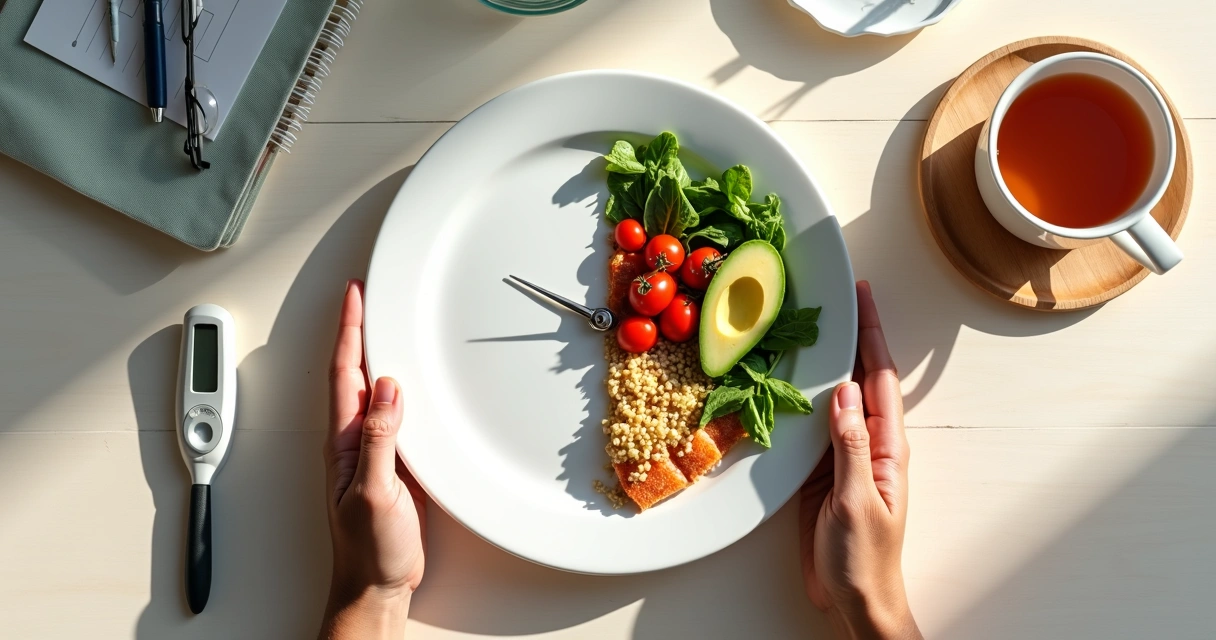
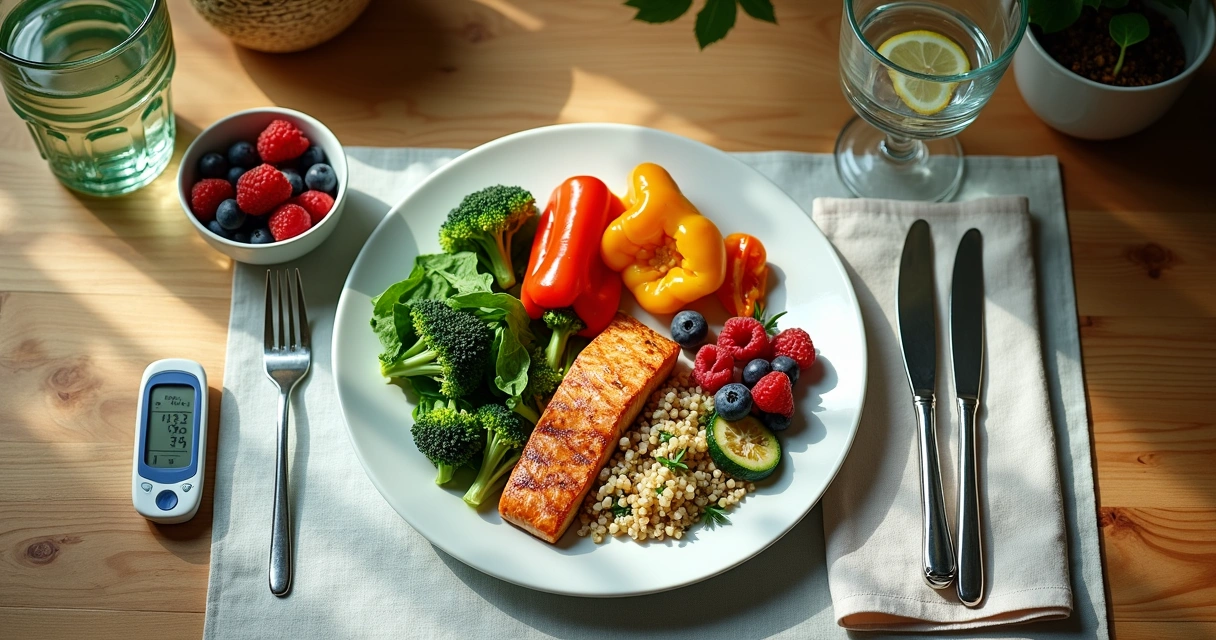
If you don’t want to count every gram, the plate method is a lifesaver. Here’s how it works and why I think it’s genius, especially for busy adults 40 and up:
- Fill half your plate with non-starchy vegetables (think leafy greens, broccoli, cauliflower, peppers, mushrooms, tomatoes).
- One quarter: lean protein (grilled chicken, fish, tofu, turkey, eggs, legumes).
- One quarter: whole grain or starchy veggies (brown rice, quinoa, beans, sweet potato).
- Add a little healthy fat, like a slice of avocado, drizzle of olive oil, or a few nuts.
The plate method helps you eat plenty without measuring or feeling deprived. It’s a visual cue, not a science quiz.Foods to enjoy often
The good news is the “foods to enjoy” list is much longer than you might expect. In my own family, we found that focusing on what we can eat makes meals more positive and varied.
- Non-starchy veggies: green beans, spinach, kale, cabbage, cucumbers, zucchini, mushrooms
- Low-glycemic fruits: berries, apples, grapefruit, cherries, peaches (in small amounts)
- Whole grains: quinoa, brown rice, barley, oats, farro
- Lean protein: chicken, fish, turkey, eggs, tofu, tempeh, beans, lentils
- Healthy fats: avocado, olive oil, nuts, seeds, fatty fish like salmon or trout
- Herbs and spices: cinnamon, turmeric, basil, rosemary, these add flavor without extra sugar or salt
Choosing most of your food from these groups helps keep your blood sugar on track, while also protecting your heart and supporting long-term health.
Foods to limit or enjoy less often
No food is truly forbidden, but some choices will cause blood sugar to climb sharply or can increase health risks over time. Based on my research and conversations with readers, having guidance (not strict rules) is more helpful for most people. Here’s what to be more careful with:
- Sugar-sweetened drinks: soda, sweet tea, flavored coffees, sports or energy drinks
- Highly processed snacks: chips, most packaged baked goods, candy bars
- White bread, white rice, regular pasta (choose whole grain versions instead)
- Fried foods and fast food (baked or grilled options are better)
- Full-fat dairy or processed meats like bacon and sausage (they raise heart risk too)
- Large amounts of alcohol (it affects blood sugar unpredictably)
You don’t need a perfect menu, just small shifts you can stick with.
Portion sizes and reading food labels
I get it. Portion sizes have changed a lot over the years, and most “single servings” in restaurants or supermarkets are really enough for two! Here are quick tricks I picked up along the way:
- Meat or fish: about the size of your palm
- Rice or pasta: what fits in a cupped hand
- Fruits: a closed fist for apples or oranges, or a small handful for berries
- Cheese: about the size of two dice
Food labels can be confusing, no matter your age. Look at “total carbohydrate” (not just sugars) per serving. I always check serving size, because sometimes it’s much smaller than you think. Try to choose higher fiber foods (3g per serving or more), and keep sodium in check too.
Easy meal ideas (no chef skills needed)
Not everyone has time or energy for fancy meal prep. Here are meals I use (and readers at Type2Daily love) because they’re quick, tasty, and friendly for blood sugar:
- Breakfast: Greek yogurt with berries and a sprinkle of walnuts; scrambled eggs with spinach and a slice of whole-grain toast; steel-cut oats topped with chopped apple and a little cinnamon
- Lunch: Big salad (leafy greens, cherry tomatoes, roasted chickpeas, tuna, oil and vinegar); turkey or veggie wrap in a whole grain tortilla plus a side of carrot sticks; black bean soup with a side of sliced cucumber
- Dinner: Grilled salmon, quinoa, and roasted asparagus; chicken stir-fry with broccoli, bell peppers, and brown rice; vegetarian chili loaded with kidney beans, onions, and tomatoes
- Snacks: Hummus with baby carrots, cottage cheese and fresh berries, apple slices with natural peanut butter, or a handful of almonds
If you’d like more recipes or want to share your own mealtime wins, Type2Daily is full of ideas from real people, not just textbook solutions.
Cultural habits and adapting meals
Food is tied to culture, memory, and comfort, I never forget that. If your family meals center around rice, bread, or pasta, try swapping half the usual amount for non-starchy veggies or cauliflower “rice.” Add beans or salad to plates for balance, and flavor dishes with herbs instead of just salt. Many of our 40+ readers have found creative ways to tweak traditional favorites so nobody feels left out, and small swaps can make a huge difference without taking away the joy of sharing food.
Shopping smart and eating out with confidence
Shopping with a list (and a full stomach!) helps cut down impulse buys. Focus on the outer edges of the store, that’s where you find most produce, proteins, and dairy. Try to limit time in the packaged snack aisles. When eating out, don’t be shy about asking how dishes are prepared or requesting steamed veggies on the side. In my own life, learning to make special requests has helped me enjoy meals with friends without worry.
Emotional side: eating well and enjoying life
Food and emotions are linked for everyone, and living with diabetes can make that relationship even more tangled. It’s normal to feel guilt, grief, or frustration at first, especially if well-meaning relatives have a lot of advice to share.
You can eat well without sacrificing taste or all your favorite foods.
At Type2Daily, our mission goes beyond just numbers on a meter. We support you in celebrating every small victory. Progress is powerful, and every good choice is worth noticing. Don’t let anyone tell you otherwise.
Take small, steady steps, and talk to your doctor
Don’t try to do it all at once. Start by making one change a week: add one more veggie per day, try whole grain toast, or swap soda for water. If you’re unsure where to start, your doctor or registered dietitian can help you personalize changes to fit any medical needs.
Conclusion: eat with confidence and curiosity
Food can be joyful, satisfying, and even easier to manage than you might expect with the right support. At Type2Daily, I’m proud to help you enjoy your meals again. If you’re ready for more practical tips, expert-backed recipes, and heartfelt encouragement, explore our community. Your next favorite meal, one that keeps your blood sugar stable and puts a smile on your face, might be just around the corner.
Frequently asked questions
What foods should I avoid with diabetes?
Foods to limit the most include sugary drinks, processed snacks, white bread, and fried foods. These choices can spike blood sugar quickly and may add unhealthy saturated fat or extra salt. That said, occasional treats are fine, especially when balanced with nourishing meals. Focus on moderation, not restriction.
Can I eat fruit with type 2 diabetes?
You can absolutely enjoy most fruits, but portions and types matter. In my experience, berries, apples, and citrus (in small amounts) tend to be friendlier on blood sugar. Choose whole fruit over juice, and pair with protein or healthy fat to slow absorption.
What are healthy snacks for diabetics?
Go for snacks that combine fiber, protein, and some healthy fat. Good options: veggies and hummus, a boiled egg with cherry tomatoes, nuts and a small orange, low-fat cottage cheese with cucumber, or a few whole-grain crackers with cheese. Try to avoid highly processed snack foods.
How much sugar can I have daily?
There isn’t a strict “safe” amount, but most experts (and my own dietitians through the years) suggest keeping added sugar as low as possible, ideally under 25 grams a day for women and 36 grams for men. Focus on natural sugars from fruit and dairy, and watch for hidden sugars in packaged items by reading labels.
Are whole grains good for type 2 diabetes?
Whole grains can help improve blood sugar control because they digest more slowly and are high in fiber. Brown rice, quinoa, oats, barley, and whole-wheat pasta are all better choices than white versions. Work them into meals while watching portions, and your blood sugar will thank you.