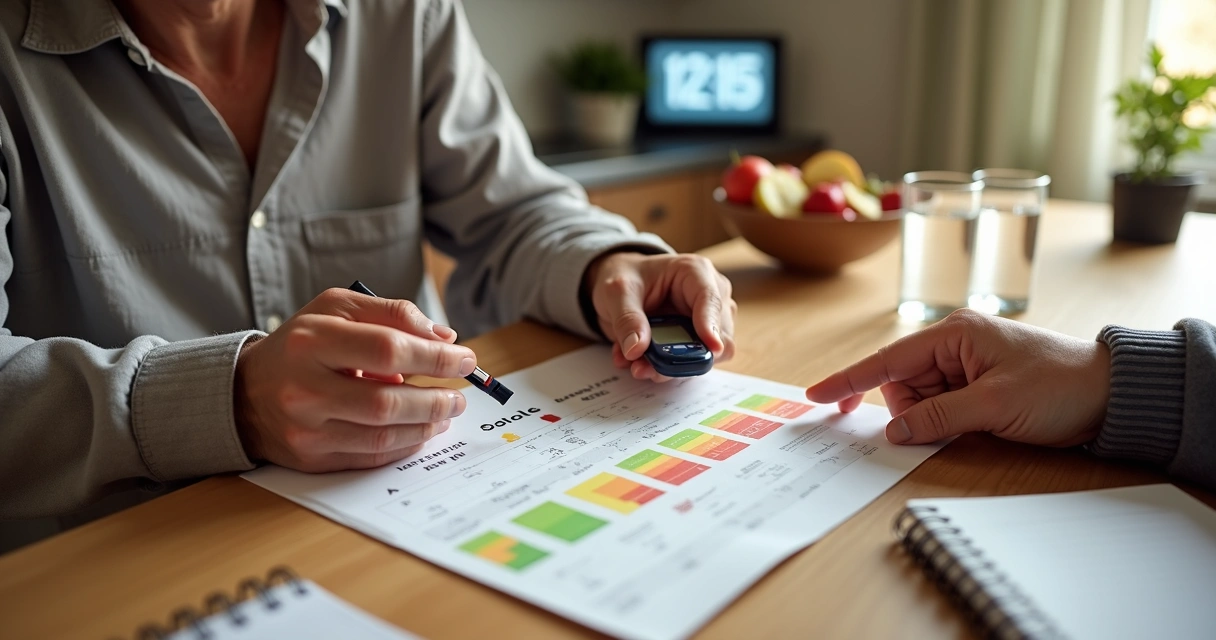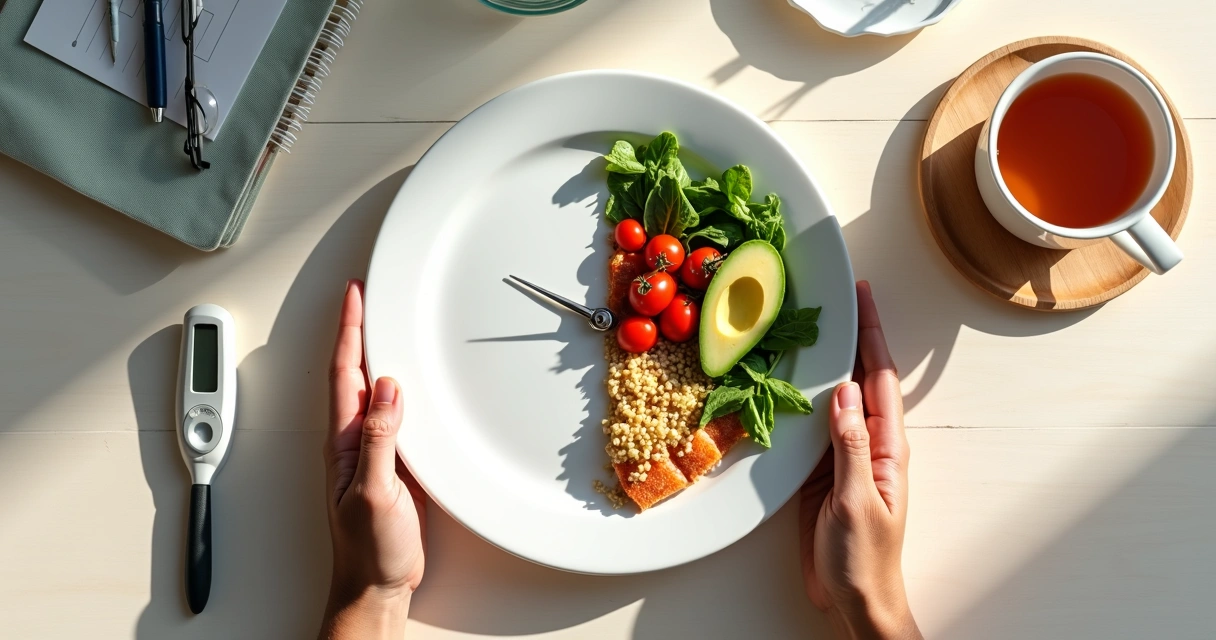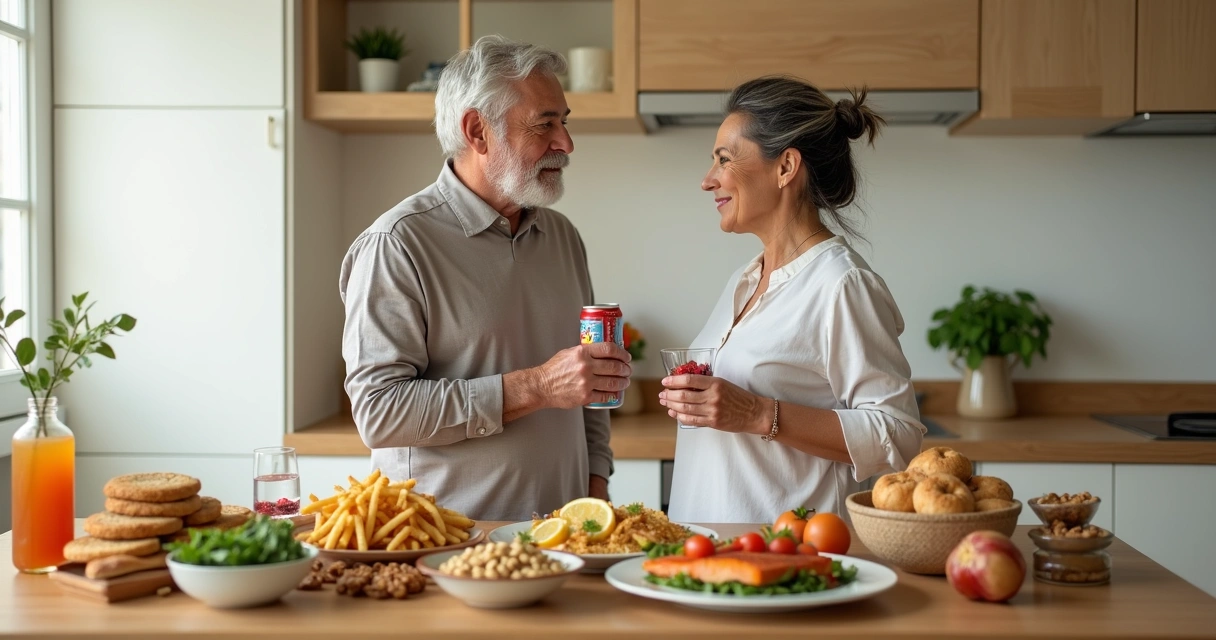
Managing type 2 diabetes after 40 can feel like joining a club you never asked to belong to. If you’re reading this today, whether you’re just starting out or you’ve been walking this path for years, I want you to know you’re not alone. Small, steady changes matter more than perfection. Food is not the enemy, but it does have the power to either challenge or support your blood sugar goals. Understanding which foods can make things trickier, and how to swap them out or simply eat less of them, can give you back a sense of control.
Over my years working in health writing—and through Type2Daily—I’ve seen how real progress starts with kindness toward yourself and simple, doable steps. We’ll focus on the key groups: refined carbohydrates, sugary drinks, processed and fried foods, and certain starchy vegetables. I’ll explain how these foods can raise your blood sugar, and what you might want to reach for instead.
Why some foods spike blood sugar—and what you can do
Every time you eat, your body breaks down carbohydrates into simple sugars. Normally, your pancreas helps move those sugars into your cells using insulin. With type 2 diabetes, that process is less smooth—the body doesn’t use insulin well, or sometimes there simply isn’t enough. Certain foods make it far harder to keep sugar in check because they are digested quickly, flooding your bloodstream with glucose.
Here’s a quick look at food types that can send numbers up in a hurry:
- Highly refined flours and sugars
- Sugary beverages (soda, energy drinks, even some juices)
- Processed snacks and desserts
- Fried foods
- Certain starchy vegetables, especially in large quantities
The good news? “Avoid” doesn’t mean “ban” for life. By making more of your meals from simple choices, and understanding what’s in the foods you eat, you’re setting yourself up for steadier glucose levels.
Refined grains and quick sugars: Why they cause trouble
Foods made from refined white flour—think white bread, regular pasta, and pastries—have most of their fiber and nutrients removed. That means the body digests them quickly, turning them almost instantly into sugar in your blood. Sweets, candy, and desserts are similar, offering calories but almost no nutrition.
Simple carbs can lead to sugar highs and lows.
Why does this matter? Without fiber and nutrients to slow things down, your pancreas must work hard to bring sugars back down. Over time, it’s exhausting for your body. You may feel tired, irritable, or notice crashes a couple of hours after eating.
Everyday swaps to try
You don’t have to give up bread or pasta, but changing what goes on your plate can help a lot. Here are a few simple changes that work for many people:
- Choose whole grain versions of bread, pasta, and rice. They have more fiber, which slows sugar absorption.
- Try smaller portions, especially at dinner when metabolism slows down a bit.
- Pair carbohydrate-rich foods with protein (like chicken or beans) and healthy fats for a more satisfying meal.
- Pick oats, barley, or quinoa instead of white rice or regular pasta.
- Try roasted chickpeas or unsalted nuts in place of crunchy crackers.
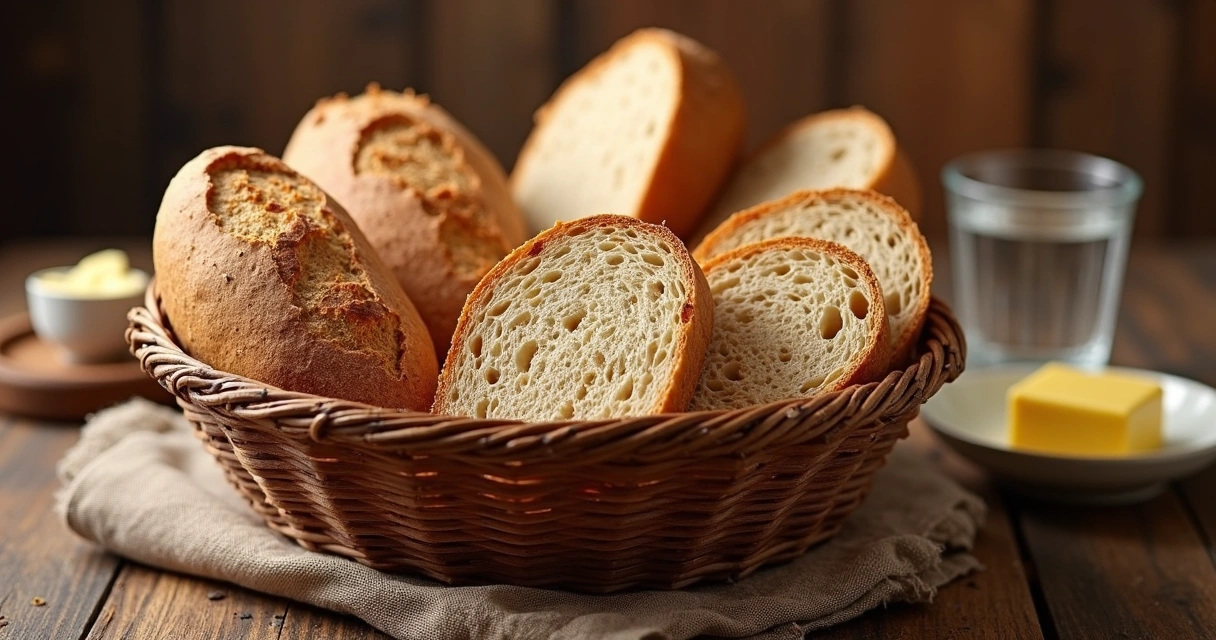 I know some guides stop at telling you what not to eat. But here at Type2Daily, I always want to give a practical nudge, not just warnings. When I made my own changes, I started with one swap at a time. Mixing brown rice with white helped my palate adjust slowly without feeling like every meal was punishment.
Sugary drinks: The biggest culprits in disguise
Sugary drinks are among the fastest ways to raise blood sugar. Soda, sweetened teas, sports and energy drinks, and many fruit juices are loaded with added sugars. Even drinks labeled “natural” can contain as much sugar as a candy bar. Because liquids digest so quickly, you don’t get the chance to feel full before your blood sugar spikes.
Just take a look at CDC findings: those who struggle with access to wholesome foods often end up relying on high-calorie, sugary drinks because they’re cheap and everywhere.
Diet sodas are sometimes marketed as guilt-free alternatives, but their effect on cravings and blood sugar is debated. I’ve spoken with readers who feel hungrier after drinking artificially sweetened drinks. Others use them in moderation and notice no ill effects. The safest bet? Reach for water, unsweetened iced tea, or infused water with lemon or berries for flavor.
What to drink instead
- Plain water—add cucumber, mint, or a few crushed berries for taste
- Sparkling water flavored with a splash of 100% fruit juice
- Unsweetened herbal tea, hot or cold
- Coffee or tea, but skip the sugar and syrups. Try a little milk or non-sweetener if you like.
Thirsty? Reach for water first.
What I recommend through Type2Daily is not to cut favorite drinks out overnight, but to slowly water them down or swap every other beverage for water. Progress beats perfection, every time.
Processed and fried foods: What to know
Processed foods—think chips, packaged snacks, fast food, and ready-made frozen meals—tend to have lots of simple carbohydrates, added sugars, salt, and unhealthy fats. These not only spike blood sugar, but regular eating of such foods can contribute to heart disease risk, which is already higher in people with diabetes.
Fried foods are extra tough. The flour coating and high-temperature oil both add empty calories and saturated fats, which can raise cholesterol levels and, in some cases, make blood sugars trickier to manage. That said, I know the smell of fries or chicken nuggets can call to anyone, and beating yourself up over a craving is not helpful.
Simple swaps for processed and fried favorites
- Bake or air fry chicken strips at home; use whole grain breadcrumbs if you like crunch.
- Swap thick, oily chips for thin, crisp apple or carrot slices.
- Try popcorn (no butter or a little olive oil) instead of packaged snack chips.
- When eating out, choose grilled options and ask for sauces on the side.
- Frozen veggies or homemade soups instead of canned, salty or creamy versions.
Small swaps lead to big wins.
Through Type2Daily, I often hear from readers that air fryers have made at-home swaps a lot easier—and sometimes tastier than expected! Remember, enjoying your food is part of well-being, so the aim is never misery.
Starchy vegetables: When to be mindful
Vegetables are good for you, right? Absolutely. But some, particularly potatoes, sweet potatoes, corn, and some squashes, are higher in starch. These break down more quickly into glucose compared to leafy greens or broccoli. This does not mean they must be forbidden—just be mindful of portions, especially if you notice your blood sugar rising more after meals with these veggies.
Something I’ve practiced myself: filling half my plate with leafy greens or non-starchy veggies (zucchini, bell peppers, asparagus), a quarter with starchy veg, and the remaining quarter with protein and healthy fats. Balance is your best friend at the table.
Lower-impact alternatives
- Swap mashed potatoes for mashed cauliflower or half-cauliflower, half-potato mixes.
- Swap oven-baked fries for carrot or parsnip fries. Still crunchy, less of a sugar load.
- Bulk up stews and soups with greens like spinach, kale, or Swiss chard.
On Type2Daily, I often suggest readers build meals around what they can include instead of what must go. That means playing with vegetables in new ways or adding herbs and spices for flavor. Eating well should feel good, not fraught with guilt or restraint.
Reading food labels without confusion
I admit, food labels can be confusing at first. Words like “multi-grain,” “made with whole grains,” or “no added sugar” don’t always mean what they sound like. But with a couple of tips, you can quickly scan and know if a packaged food is a smart choice:
- Look for “whole grain” as one of the first ingredients in breads, crackers, or cereals.
- Check the total carbohydrates, then fiber. More fiber is better for blood sugar stability.
- “Sugars” can include natural and added—seek out lower numbers, and watch for syrups or -ose words (glucose, fructose, maltose).
- Serving size surprises! Sometimes a food looks “ok,” but the serving is tiny. Double-check the portion sizes.
Labels reveal more than the front of the package.
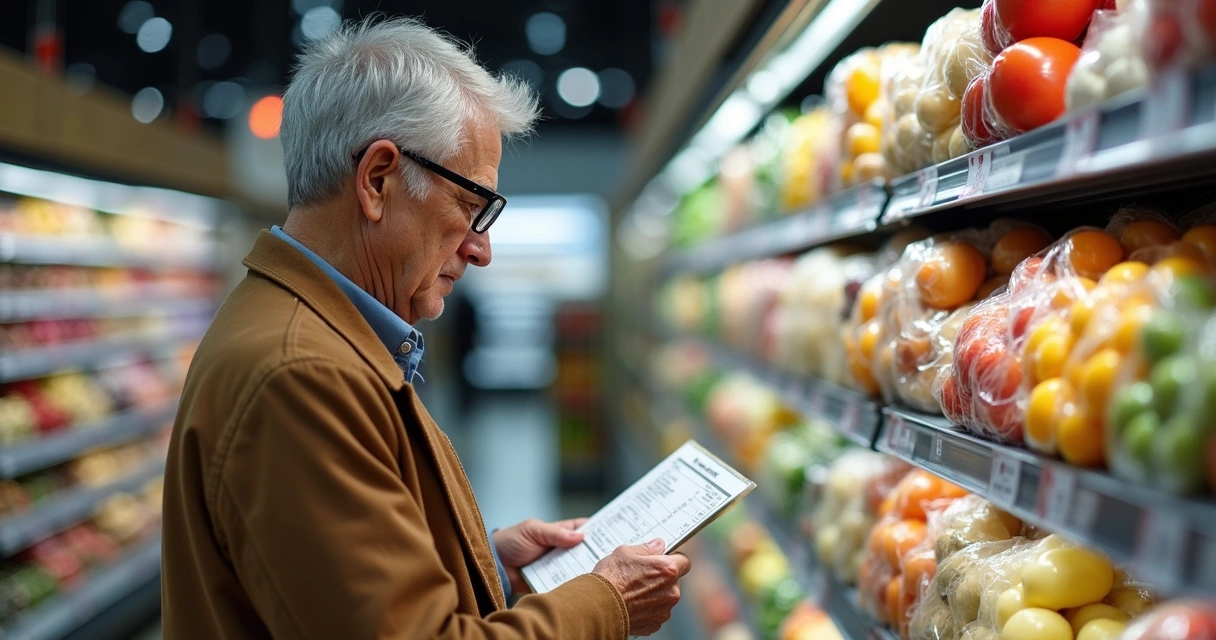 With time, I’ve found those “lightbulb moments” at the store lead to a lot more confidence. Don’t worry if you’re not a label pro right away—practice gets you there.
Better choices when eating out
Eating out may feel daunting at first, but it does not have to blow your daily routine. Most restaurants are used to people asking about ingredients, swapping sides, or asking for sauces apart. Here’s what has worked for me and many Type2Daily readers:
- Scan the menu for grilled protein (fish, chicken, tofu). Ask for double veggies instead of fries or extra bread.
- Soup before a meal (especially broth-based) can help fill you up, so you don’t overeat starchy sides.
- If ordering pasta, choose tomato-based sauces, skip creamy toppings, and eat slowly to recognize when you’re satisfied.
- Share desserts, or ask for a bowl of mixed berries if available.
You deserve to enjoy a meal out—guilt-free.
If the menu is unclear, I’ve found that asking servers about how food is prepared (grilled or baked instead of fried) makes all the difference. Over time, you become confident in making swaps that suit you without feeling awkward.
Structure your meals to support steady glucose
One thing I remind myself daily: how and when you eat matters just as much as what you eat. Spacing meals, combining foods, and keeping portions in check keep blood sugar steadier.
Ways to build a balanced meal
- Start with a non-starchy vegetable (like a salad, sautéed greens, or raw veggies).
- Add a moderate portion of protein—grilled chicken, beans, tofu, or fish.
- Include a healthy fat, like olive oil, a few nuts, or avocado.
- Round out with a small serving of whole grains or starchy vegetables, if desired.
The “half-plate vegetables” model helps many people. I’ve noticed that it gives plenty to eat but keeps sugars in check. If you snack between meals, a handful of nuts or plain yogurt with berries helps tide you over without big spikes.
Don’t fear occasional indulgence
Food is memory and celebration, not just fuel. Completely avoiding every “forbidden” treat forever can make eating feel like a never-ending test. One dessert, a special meal, or even a few fries on the weekend won’t undo your hard work. What matters is your daily habits.
At Type2Daily, people often write in about guilt after the holidays, family parties, or dinners out. My gentle advice is always this: enjoy it. Savor every bite. Then pick up your healthy habits at the next meal. Consistency counts for much more than being perfect.
The value of gradual, lasting change
Strict, restrictive diets tend to backfire. I’ve seen it again and again in my own life and the stories readers share with me. The most lasting changes are those you can see yourself sticking with years from now—not just until your next doctor’s appointment.
- Swap one refined food for a whole food each week.
- Increase water, decrease sugary drinks one glass at a time.
- Learn one new label reading trick each grocery run.
- Give yourself credit for every positive change.
If you have questions, concerns, or health conditions alongside diabetes, your doctor or registered dietitian is your best guide. Use information from Type2Daily as a friendly companion—never as a substitute for personal medical advice. We’re here to support all those small wins.
Conclusion
Learning which foods to eat less of with type 2 diabetes isn’t about missing out; it’s about choosing more of what makes you feel ready for each day. Whether it’s switching from soda to fizzy water, mixing in some brown rice, or ordering the grilled fish at dinner, every positive nudge counts.
If you’re looking for ongoing encouragement and real-world tips, I believe Type2Daily is the friendliest and most practical source you’ll find. Unlike some other resources, we never judge or focus on negative news—we meet you where you are, with warmth and plain talk. Keep moving forward one choice at a time, celebrate progress, and, whenever you need it, reach out for more support.
Now is a great moment to join the Type2Daily family if you haven’t already—get inspired, learn from others, and find your own gentle path to health and well-being.
Frequently asked questions
What foods should people with diabetes avoid?
People with diabetes are best off limiting foods like sugary drinks, white bread, bakery snacks, candies, fried fast food, and heavily processed or packaged meals. These foods can rapidly raise blood sugar and offer little benefit in terms of nutrients or satisfaction. Instead, focus on whole grains, lean proteins, and lots of non-starchy vegetables.
Are there hidden sugars in common foods?
Yes, many everyday foods have hidden sugars—even foods labeled “healthy” or “low fat.” Salad dressings, flavored yogurts, ketchup, breakfast cereals, and even some granola bars often contain added sugar. Reading ingredients and checking nutrition labels for words ending in “-ose” or “syrup” can help you spot them fast.
Can I eat bread if I have diabetes?
You don’t need to give up bread entirely. It’s smart to swap highly refined white bread for options with “whole grain” or “100% whole wheat” as the first ingredient. Enjoy bread in moderation and pair it with protein (like eggs or natural peanut butter) for better blood sugar balance.
How do fried foods affect blood sugar?
Fried foods typically combine lots of carbs and unhealthy fats, both of which can make blood sugar more difficult to control and raise cholesterol as well. The batter or breading used in fried food can quickly turn to sugar in the blood, causing spikes and crashes. Baked or air-fried alternatives are less likely to have this effect and are more heart-healthy, too.
What are the best snack alternatives for diabetes?
Great snack choices include unsalted nuts, veggie sticks with hummus, plain Greek yogurt with a few berries, hard-boiled eggs, or whole grain crackers with a slice of cheese. Packing snacks with protein and fiber helps you feel full without sending blood sugar on a rollercoaster ride.