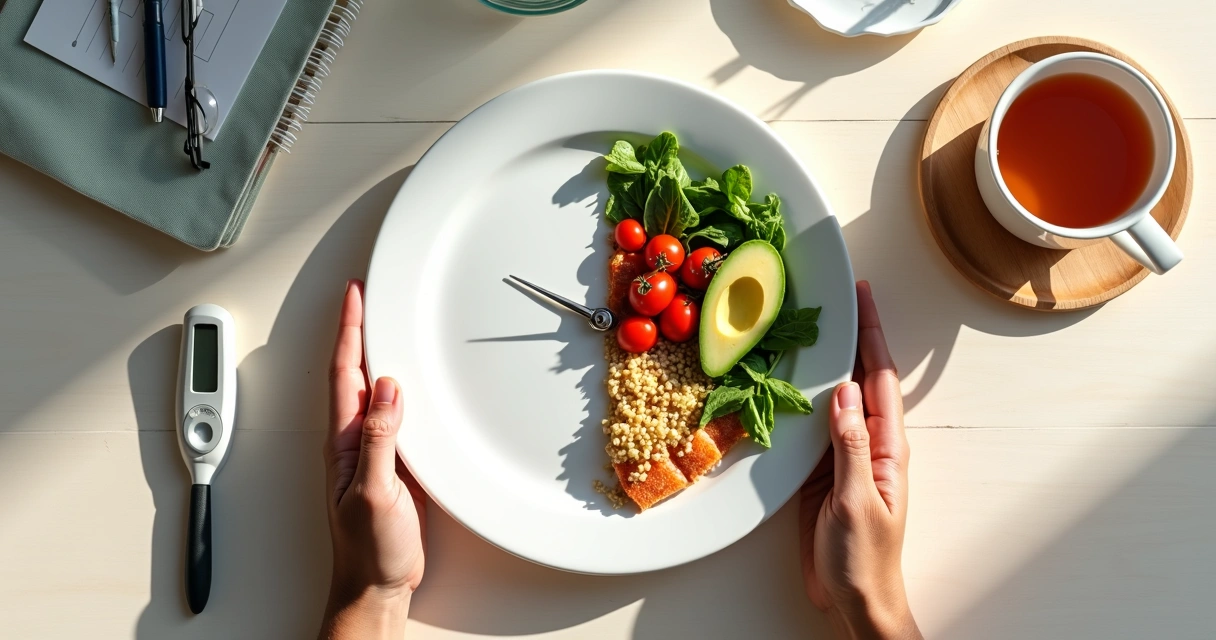
Losing weight when you live with type 2 diabetes isn’t just a matter of counting calories or sweating out a few extra minutes on the treadmill. It’s about working with your body, not against it. At Type2Daily, I know that each person’s story is unique—but so many of us share similar challenges, hopes, and even frustrations around weight. Today, I want to walk you through what really matters and what actually works.
Why does managing weight feel harder with type 2 diabetes?
Sometimes, it seems like your body hits ‘pause’ on the usual weight-loss rules as soon as diabetes enters the scene. I used to think I just needed more willpower. That’s not true and it’s not fair—especially to yourself.
Insulin resistance is at the heart of this difficulty. In type 2 diabetes, your cells don’t respond properly to insulin. This means your body has to produce even more insulin to keep blood sugar in check. The problem: excess insulin is a signal for your body to store energy as fat, especially around the belly.
On top of this, there are metabolic changes at play. Your muscle cells don’t use glucose as well, and you might lose muscle more quickly when trying to lose weight. According to research from the University of Oxford, rapid weight loss plans can cause as much as a quarter of lost weight to come from muscle, which slows metabolism and can make long-term progress harder.
Weight loss isn’t just about the scale—it’s about what you’re losing.
I always remind myself and my clients that, while the journey may feel uphill, your body can and will respond to smart, steady changes. Real improvements in how your body uses insulin and stores fat can happen, as shown by research at Imperial College London, where weight loss reversed some fat tissue issues and even improved liver and pancreas health in people with obesity and type 2 diabetes.
Building your daily eating plan: real steps that work
Forget restrictive diets. At Type2Daily, our approach is gentle but steady—focused on what’s practical, filling, and tasty, not what’s taken away. Here’s what I’ve seen work best for people in their 40s, 50s, and beyond:
Master portion control without feeling deprived
You probably know that eating less is part of the puzzle—but how? Instead of measuring every bite, I recommend:
- Choose smaller plates: Your brain is wired to want a full plate, so fill a smaller one and eat slowly.
- Wait 10-15 minutes before seconds: Often, you’ll discover you aren’t really hungry anymore.
- Listen to gentle hunger cues: Pause halfway and ask yourself, “Am I still hungry or just eating out of habit?”
Little by little, your stomach and brain adjust. I remind myself that small, regular portions are not a punishment but an act of self-care.
Add fiber and protein: the unbeatable hunger busters
Eating foods high in fiber and protein will make you feel fuller longer. This isn’t a marketing claim; it’s real science. Fiber, found in veggies, beans, legumes, berries, and whole grains, slows how quickly sugar enters your bloodstream. Protein, whether from fish, poultry, tofu, eggs, or Greek yogurt, helps preserve muscle as you naturally drop pounds.
Here’s how I tweaked my meals (and suggested to many others):
- Start breakfast with eggs or natural yogurt with chia seeds.
- Add beans or lentils to soups, salads, or even pasta sauces.
- Choose whole fruits and skip juices—more fiber, more chewing, more satisfaction.
When you combine these, you curb hunger, protect muscle, and keep blood sugar steadier all day.
Hydrate with purpose, not empty calories
I have noticed that thirst masquerading as hunger is common, especially for those managing diabetes. Aim for plain water, herbal tea, or even sparkling water with a slice of lemon. But what about those tempting sweet drinks, even “healthy” juices or smoothies?
Liquid calories often sabotage your hard-earned efforts without making you feel full. Flavored drinks and juices spike blood sugar and add sneaky carbohydrates, making weight management much harder. Water is your friend—easy, free, life-giving.
Cutting sugar and rethinking carbs for steady progress
You don’t need to cut out all carbs—honestly, that isn’t realistic or necessary. What works better, in my experience, is getting picky about how many, when, and what kind.
- Reduce sugar, especially in drinks and snacks: Swap sweetened tea for unsweetened, skip candy and pastries most days, and choose fresh fruit instead.
- Choose slow carbs: Go for beans, lentils, oats, barley, and brown rice more often than white bread, white rice, or instant cereals.
- Space your carbs: Instead of a carb-heavy dinner, spread them over the day in small, steady amounts.
It’s these small swaps—not massive overhauls—that keep blood sugar stable and make weight reduction steady and sustainable.
Physical activity tailored for bodies 40 and over
You’ve heard it before—move more, weigh less. But if traditional workouts or intense routines seem out of reach, you’re not alone. In my daily conversations with readers at Type2Daily, most people want ideas that fit their schedule, energy level, and sometimes sore joints.
Start with what you can do daily
Walking is an underrated hero. A brisk 20-30 minute walk, five days a week, adds up quickly. If walking alone sounds boring, I listen to music, call a friend, or even notice how the world feels different each day outside.
- Strength training helps, too: Try resistance bands, light weights, or even bodyweight exercises like wall push-ups or chair squats.
- Add gentle stretching: Hips, hamstrings, and calves benefit from a 5-10 minute stretch most days.
Regular movement is less about burning calories and more about making your body use insulin better and building lean muscle, which burns more energy at rest.
Why habit beats perfection every time
Perfection is not the goal here. I have yet to meet anyone who never slips, skips a workout, or gives in to a cookie now and then. Instead, lasting change is all about:
- Making one small choice easier tomorrow than it was yesterday.
- Choosing brushing your teeth after dinner to signal the end of eating for the night.
- Noticing trends, not being ruled by them. Your weight, blood sugar, and energy will fluctuate—press on steadily anyway.
I find that “streaks,” or days in a row you hit a goal (like drinking water with meals), keep you motivated. But missing a day or a week isn’t failure. It’s just information.
Progress, not perfection, is what counts most.
How to track your journey and see real results
You can’t change what you don’t see. If you’d told me ten years ago that keeping a food log or using a simple app could make such a difference, I would have shrugged. Now, I’m a believer.
- Food journaling: Whether on paper or digitally, jot down snacks and meals for a few days. You’ll spot patterns—late-night eating, skipped lunches, or hidden extra calories.
- Monitor blood sugar: At Type2Daily, I encourage using continuous glucose monitoring if it’s available. Watching your numbers change after meals or physical activity can be both correcting and satisfying.
Your numbers are tools, not judgments. They give you a chance to notice what helps and what may need changing—without guilt.
Managing the emotional side: motivation, setbacks, and support
There’s an emotional weight to this process. It’s not just about what you eat or how you move. Feeling frustrated, guilty, or even afraid of “failing” is normal. I’ve faced those moments, too, and so have many in the Type2Daily community.
- Stress can raise blood sugar all on its own. Find moments, even five minutes, to breathe deeply, walk outside, or listen to calming music.
- Setbacks happen, but don’t let them stop you. Instead, ask: What triggered this slip? What gentle step can I try tomorrow?
- Reach out for support. Sharing your experience with a health care provider, family, or on community forums keeps you connected and resilient.
This approach, balancing science and practical kindness to yourself, is why Type2Daily stands apart from other resources. It’s not just about the rules—it’s about real life.
Always build your plan with a health professional
No one size fits all. I always recommend partnering with a provider you trust to individualize your dietary plan, look over medications, and set goals that are realistic for your health profile—especially since some diabetes medications can make weight gain or low blood sugar more likely. Adjustments can be made safely when you’re not walking this path alone.
Weight management after a diabetes diagnosis is not just possible—it’s life-changing. There’s strong evidence, like research highlighted in the Journal of the American College of Cardiology on PubMed, that even modest weight loss lowers the risk of complications and mortality.
I’ve seen, time and again, this blend of nutrition, movement, tracking, and emotional support work—one patient, reader, and day at a time.
Conclusion: Give yourself credit for every step forward
At Type2Daily, I truly believe your smallest wins matter. Each healthy choice—each glass of water, each stretch, each meal where you listen to your body—builds a stronger, more resilient you. There’s no single, perfect plan, but there is a best next step.
Take what feels most doable from today, try it for just a week, and let yourself celebrate what goes right. If you want a daily companion on this journey, that’s exactly what we’re here for. Start connecting with Type2Daily, and see just how supported and informed your journey can be.
Frequently asked questions
What diet is best for type 2 diabetes?
The best eating approach for type 2 diabetes is one that prioritizes fiber, lean protein, and minimally processed foods while keeping portions steady and sugars low. Diets like the Mediterranean pattern—rich in vegetables, beans, nuts, olive oil, and fish—work well because they focus on quality over restriction. What matters is making changes you can enjoy and keep up long-term. Avoid highly processed foods, sugary drinks, and excess saturated fat, and aim for a plate that’s half vegetables, a quarter lean protein, and a quarter whole grains or slow carbs.
How can exercise help manage my weight?
Regular activity such as brisk walking, swimming, cycling, or resistance workouts helps your body use insulin more efficiently, preserves muscle, and supports gradual fat loss. For adults over 40, it’s often more about steady consistency than intensity. Aim for 150 minutes per week of moderate movement—broken down as you prefer, even in short sessions. Include strength exercises 1-2 times weekly to help protect muscle during weight loss.
Can medication affect weight loss efforts?
Yes, some diabetes medications can influence weight. For example, insulin and certain oral medications may lead to weight gain, while others may have a neutral or even weight-reducing effect. Never change medications on your own. Work with your provider to find the right combination for your goals and lifestyle, and bring up concerns about weight honestly—they’re part of the conversation.
How quickly should I lose weight safely?
A safe pace of weight loss is about 0.5 to 1 kilogram (1 to 2 pounds) per week. This pace helps protect muscle and reduces the risk of blood sugar swings, especially if you’re on medications for type 2 diabetes. Gentle, consistent weight reduction is linked to better long-term health outcomes and is more likely to stay off for good.
Are there risks to losing weight too fast?
Rapid weight loss, especially through very-low-calorie diets, can lead to dehydration, muscle loss, gallstones, or dangerous drops in blood sugar. Studies have shown that fast approaches may cause you to lose muscle as well as fat, which slows your metabolism and may affect your health negatively over time. Always discuss major dietary changes with a health professional before starting.