When I was first diagnosed with type 2 diabetes, those spikes in blood sugar caught me by surprise. I would eat something without a second thought and, not long after, feel my energy dip or my mouth turn dry. At Type2Daily, we are committed to helping people like us—men and women 40 and over—take real, science-based steps for better daily living, without dreading numbers on a screen.
Why does blood sugar rise quickly?
It’s not magic—and it’s not all your fault. Our bodies break down food into glucose, which then enters the bloodstream. In type 2 diabetes, our insulin doesn’t work the way it should. That means after eating, the sugar in our blood can climb higher than we expect.
Several everyday things can push our blood sugar up quickly:
- Eating large meals, especially those rich in carbs or sugar
- Missing a dose of medication or insulin
- Stress, both physical and emotional
- Lack of physical activity
- Illness and infections
I remember how confusing it felt at first: Why did my numbers change so much, even when I tried to “eat healthy”? It turns out, the answer usually lies in how our body handles (or cannot handle) glucose after meals. Sometimes, the need to bring those numbers down quickly isn’t only about comfort—it can also help our long-term health.
Small, steady changes can have a powerful effect.
What happens if your sugar stays high?
High blood sugar (hyperglycemia) may not feel alarming at first. But frequent or extended spikes can quickly add up and cause symptoms. I noticed when my sugar ran high, I felt thirstier and had to use the bathroom more. Some of my friends with diabetes talk about headaches, blurry sight, or just feeling “off.”
If it stays too high for too long, more serious problems can happen—like fatigue, increased risk of infection, and even the risk of diabetic emergencies. That’s why learning a few actionable steps to lower post-meal blood glucose can help you take charge, without fear or guilt.
Action steps to bring blood sugar down quickly
Let me share the simple things that have not only helped me, but also many others in our community. These are not diet hacks or quick fixes, but practical, science-backed steps you can use every day:
Get moving, even if it’s gentle
I used to think exercise had to be long or intense to "work." But studies show that even a light walk after eating—for as little as 10-15 minutes—can help your body use up excess sugar and lower blood glucose more quickly. Physical activity encourages your muscles to take in glucose even if your insulin isn't doing the job well.
- Try walking around your neighborhood after dinner.
- If walking isn’t easy for you, gentle chair exercises or yoga can make a difference.
- Set a timer to stand or stretch every hour during the day.
Movement right after meals matters most.
Focus on lower glycemic foods
Some foods, like white bread or sugary drinks, raise blood sugar faster than others. The NIH found that a DASH-style diet (lots of veggies, whole grains, and lean proteins) keeps glucose steadier and can even lower average blood sugar by double digits. I noticed that when I swapped cereal for eggs at breakfast, my numbers reacted pretty quickly for the better.
Some swaps to help:
- Choose whole fruit over fruit juice
- Trade white rice for lentils or quinoa
- Snack on nuts instead of chips or crackers
Add fiber and healthy fat
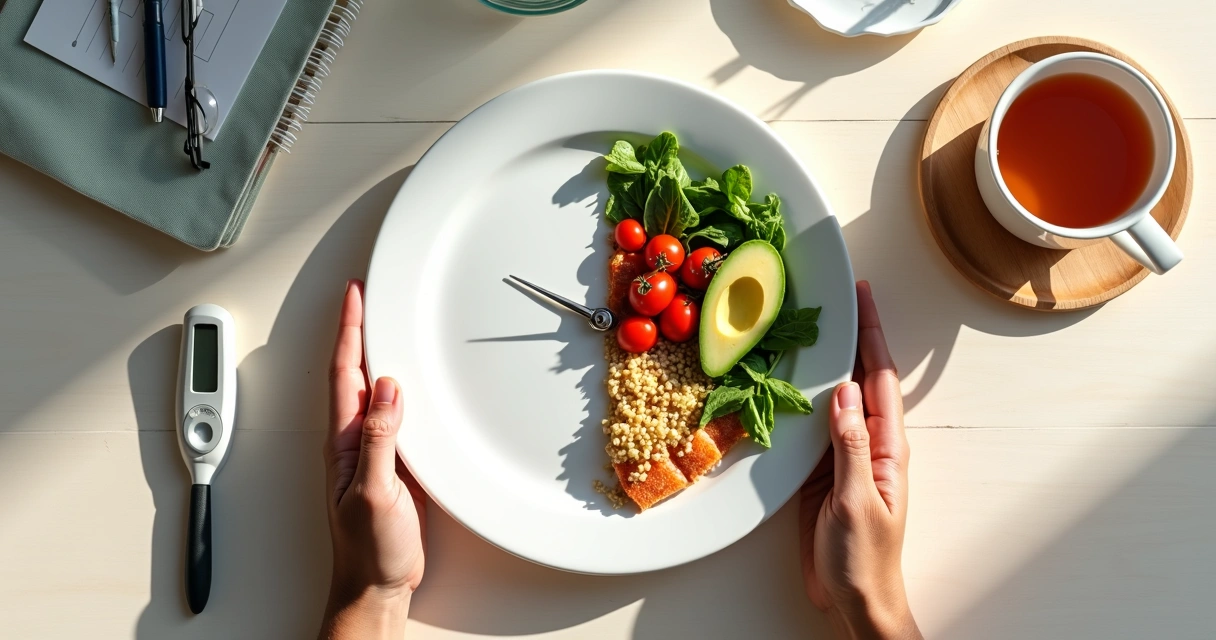
If you want a steady, slower rise in blood sugar, try pairing carbs with fiber-rich foods (like beans or vegetables) or a small amount of healthy fat (such as avocado or olive oil). It slows down digestion and helps avoid spikes.
- Add leafy greens to pasta
- Top toast with nut butter instead of jam
- Include seeds or avocado in salads
Watch portion size—and eat more often
I grew up being told to eat three big meals a day, but with diabetes, spreading smaller meals or snacks through the day often keeps blood sugar from swinging up and down. Portion control matters more than “strict” diets or labels. When I started eating less starch at dinner, my overnight readings improved almost right away.
Try to avoid skipping meals—this can lead to overcompensation and a higher blood glucose spike later on.
Pay attention to timing
Meal timing isn’t just a trend for athletes—it can help those of us with type 2 diabetes too. When I eat dinner earlier and avoid late-night snacks, I find my fasting blood sugar behaves much better the next day. If you find certain times give you big spikes, try shifting meal times or what you eat at those meals.
The power of frequent monitoring
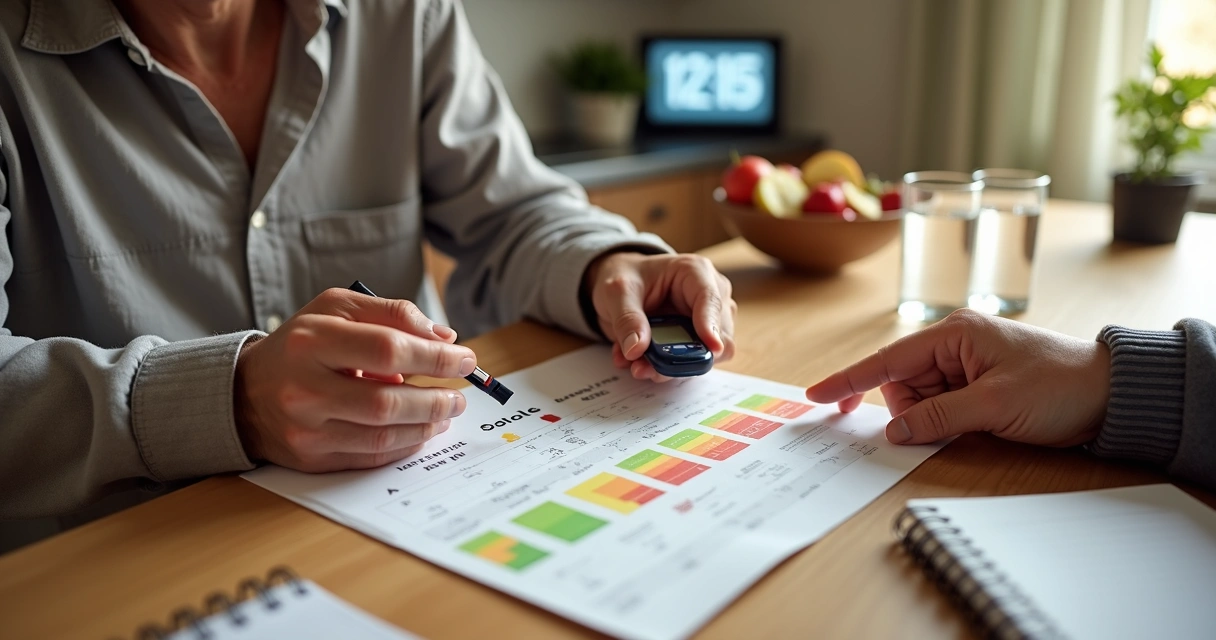
It’s easy to feel like testing blood sugar is just “data.” But for me, it’s a daily map. Regular checks help you spot what makes your glucose go up or down—and what brings it back. If you have access to a continuous glucose monitor (CGM), you may notice patterns even sooner, such as how certain foods or stress impact your sugar within minutes.
Here's what I like to do:
- Test before and 1-2 hours after eating when trying new foods
- Keep notes on what you ate, when, and how you felt
- Adjust meals and movement based on your patterns
Tracking helps you spot when a small change—like an evening walk or swapping potatoes for a salad—works for you. At Type2Daily, our tips are all about knowing yourself, not following rigid rules.
When to call your doctor
Sometimes, blood sugar won’t budge, no matter what you try. That’s when your healthcare team is your lifeline. If your blood glucose repeatedly goes over 250 mg/dL and won’t come down, or if you have symptoms like vomiting or confusion, don’t “wait it out.” High readings can turn serious.
Listening to your body and seeking help is not a failure.
Think of these as moments to learn and get better support, never as proof that you’ve “done something wrong.” Your team can help adjust medication, suggest new strategies, or even find out if an illness or stress is the real cause. At Type2Daily, we stress that asking for help is part of taking control—not giving it up. Many mainstream resources talk about glycemic emergencies, but they mostly present alarmist advice or isolated facts. Our focus is to give step-by-step daily solutions, combining practical action with positive support.
Making these steps part of your life after 40
It’s one thing to know what helps, and another to actually build these habits into a real schedule—especially after forty when our bodies change, routines shift, and family life pulls in many directions. From my own experience and the Type2Daily community, here’s how I’ve made these changes work over the long run:
- Start small. Pick one habit, like a 10-minute walk or swapping a high-carb snack, and get consistent before adding anything new.
- Involve loved ones. Sharing walks or cooking together helps everyone learn—not just those with diabetes.
- Set practical reminders. I use phone alarms for medication, and sticky notes for snack swaps!
- Focus on progress, not perfection. Blood sugar won’t be perfect every time—and that's human. Celebrate small wins, like getting a post-meal reading in range.
- Flex with your needs. If morning stretches feel good but afternoons are hectic, that's okay. Find the rhythm that works for you.
Why Type2Daily is your trusted ally
Other blogs and info sites provide bits and pieces: one talks about "miracle foods," another focuses only on scary complications. Here, every step is connected to real life as an adult with type 2 diabetes. At Type2Daily you get more than tips and nutrition charts:
- An empathetic approach—no alarmism, no judgment
- Science-based ideas explained in plain words
- Recipes, movement, and emotional care all in one place
- Daily motivation for adults 40+ who want to thrive—not just survive—with diabetes
The latest data from the NIH shows it’s getting harder for people with diabetes to keep their blood sugar in control. But at Type2Daily, we believe the answer is not “try harder”—it’s “grow wiser,” with gentle tweaks, encouragement, and the right tools—one day at a time.
Conclusion: Move, eat, monitor—and thrive daily
I've learned there’s no single “hack” to drop your blood sugar. But small steps can add up, and fast actions—a walk after meals, a food swap, or some stretching—can nudge those numbers in the right direction when you most need it.
If you’re looking for daily, sustainable ways to bring your glucose back on track, give these ideas a try and check out more from Type2Daily. We’re here for the real life you live, not just the numbers you track.
Curious how these steps fit into your life? Join our Type2Daily community for practical insights, uplifting support, and tools made for adults 40+ who want to conquer diabetes with confidence.
Frequently asked questions
What foods quickly lower blood sugar?
There’s no single “magic” food to instantly drop blood glucose, but some foods have less impact and can help stabilize levels. These include leafy greens, non-starchy vegetables (like broccoli and peppers), whole grains like quinoa or barley, nuts, and seeds. Incorporating high-fiber foods and lean proteins can slow digestion of carbs and smooth out your blood sugar curve. Pairing a protein (like eggs or chicken) with fibrous veggies is a great choice if your sugar is running high after a meal.
How much can exercise help lower sugar?
A light walk after eating, even just 10-15 minutes, can lower post-meal blood glucose by 15-30 mg/dL for many people. More structured exercise, like 30 minutes of brisk walking or cycling, may offer even bigger benefits over time. Consistency helps even more than intensity. Physical movement helps your body use up sugar quickly by letting muscle cells absorb glucose even if insulin isn't doing the work perfectly.
Can water help reduce blood sugar fast?
Yes—drinking water can help clear excess glucose from your blood by moving it through the kidneys and out in your urine. While it’s not a standalone solution for high numbers, staying hydrated is a simple daily habit that supports all your other blood sugar-lowering actions.
What are signs of high blood sugar?
Common signs include increased thirst, needing to urinate more than usual, tiredness, headaches, and blurry sight. More severe symptoms—such as vomiting, confusion, and deep, rapid breathing—may indicate dangerous levels. If you notice severe symptoms or your readings stay above 250 mg/dL despite your efforts, seek prompt medical support.
Is lowering blood sugar quickly safe?
In most everyday situations, using gentle, science-backed steps (like light movement or balanced food choices) is not only safe but encouraged. However, rapid drops from very high to normal can feel uncomfortable—watch out for dizziness or shakiness, especially if using insulin or certain medications. Speak with your healthcare team if episodes happen frequently or if you’re unsure which steps are right for you.