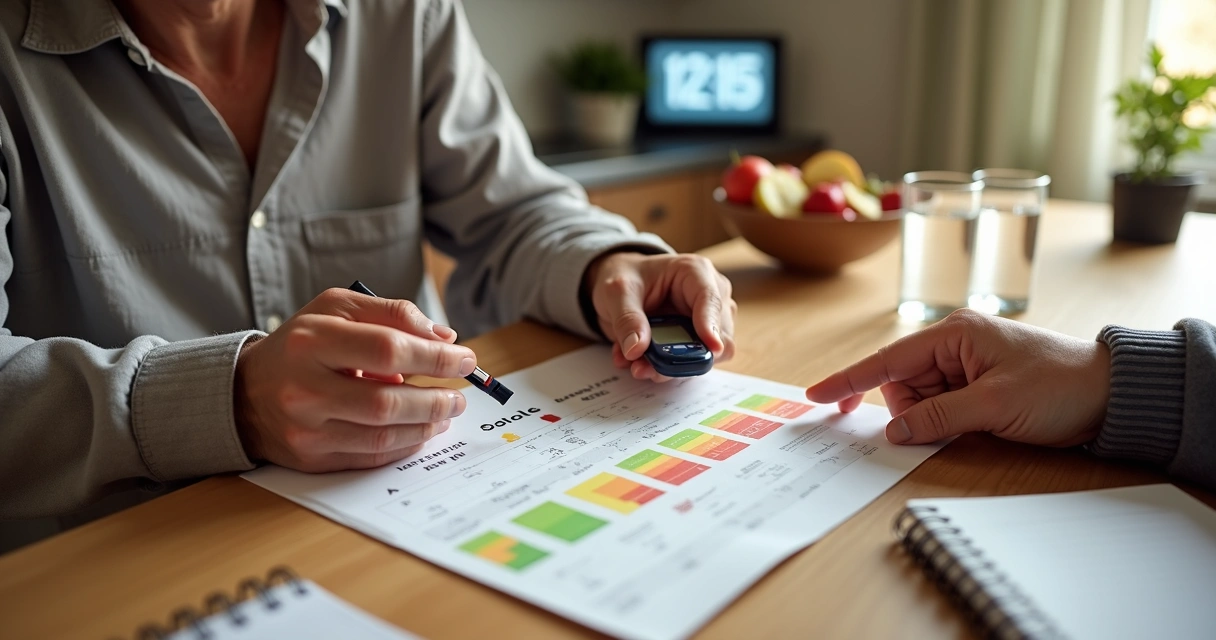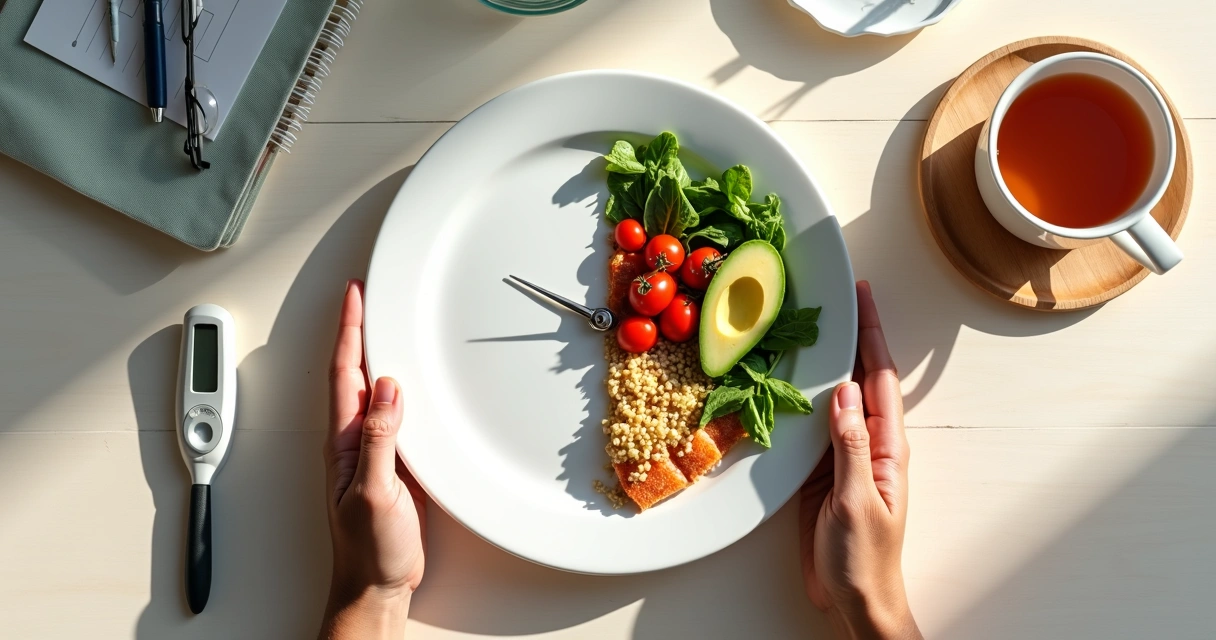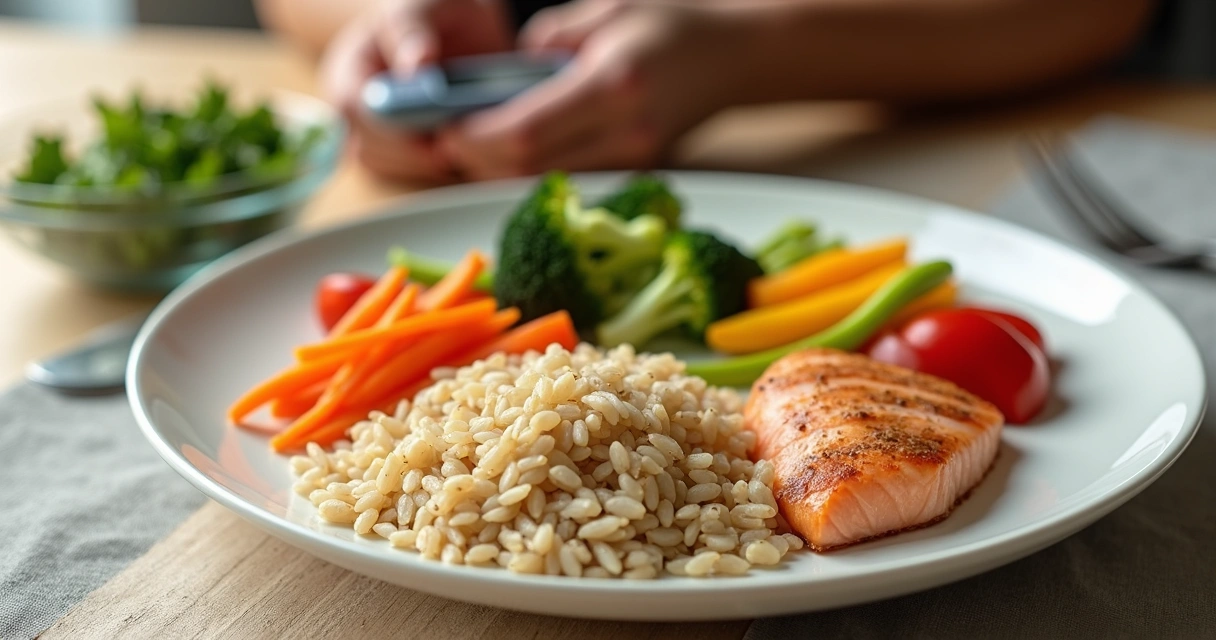
“Is rice off the menu for me now?” That’s a question I hear often. If, like me, you grew up with rice as comfort or tradition, the thought of skipping it can feel overwhelming—especially after 40. But let’s unpack the story beyond food myths and find out what’s truly practical, science-backed, and kind to both your body and your habits.
Understanding how rice affects blood sugar
Rice is not just a grain—it’s a staple. But for adults living with type 2 diabetes, especially after 40 when metabolism slows and insulin sensitivity can dip, rice raises real questions. The real culprit (in most cases)? The impact on blood sugar, or more specifically, how quickly rice turns into glucose in your bloodstream.
When I looked into the research, I found that Harvard Health explains that white rice has a high glycemic index (GI). This means white rice is digested fast, sending glucose levels shooting upward in a relatively short time. That sudden jump can make blood sugar harder to manage.
White rice—particularly when it’s fluffy and hot—usually spikes blood glucose much more than its less processed cousins. The glycemic index is not about how much carbohydrate is present, but how quickly it raises your sugar. For adults with diabetes, and for those of us looking for a bit more stability in the second half of life, that can mean quick highs and stubborn lows. But, and this is important, all rice is not created equal.
Different rice types and their effects on glucose
My kitchen has seen every type of rice: white, brown, black, wild, you name it. I’ll walk through what I found, both in the research and real-life blood sugar tracking.
- White rice (most short- and long-grain types): High GI—leads to fast rises in blood glucose, especially in larger, unbalanced portions.
- Brown rice: Still contains carbs, but comes with fiber, vitamins, and minerals. The fiber slows down the speed at which your body turns starch into sugar.
- Black and wild rice: These have even more fiber and a lower glycemic effect—even a small change here can help your numbers.
- Parboiled or converted rice: Somewhere in the middle—a bit less spike, more texture, but not as fiber-rich as brown.
A Harvard School of Public Health–linked study even reported that people who eat three to four servings of white rice daily see about a 1.5 times higher risk of developing type 2 diabetes compared to those who rarely eat it.
I have seen that just swapping white rice for brown (or even half-and-half) keeps my after-meal blood glucose steadier.
Glycemic index, portions, and real-world habits
You might wonder: If brown rice is better, should I just switch and eat as much as I want? Not quite. Even brown or wild rice, because of their carb content, can raise your sugar if you don’t pay attention to portion control.
One study in the Diabetes & Metabolism Journal found that simply using smaller rice bowls helped people with diabetes cut calories and avoid sudden spikes. For me, swapping my plate for a smaller bowl or measuring out 1/4 to 1/3 cup of cooked rice made a huge difference, both physically and emotionally.
As the CDC’s plate method for meal planning suggests: fill half your plate with non-starchy veggies, use one quarter for lean protein, and only the remaining quarter for your choice of whole grains (like rice). I find this not only practical, but also freeing—you can enjoy rice, just not as the star of every meal.
How you eat rice matters: Pairings and preparation
I used to pile rice high, sometimes alone, sometimes with a thin curry or stir-fry. Over time, I learned that what you eat with your rice determines how your body responds to it.
- Pair rice with beans, lentils, or chickpeas: The extra fiber and protein slows digestion.
- Add non-starchy vegetables: Broccoli, leafy greens, and peppers add bulk, color, and nutrients without sending your glucose soaring.
- Lean proteins: Chicken, tofu, eggs, or fish make the whole meal last longer in your stomach and mind, curbing the blood sugar jump.
I also learned about something fascinating: Resistant starch. Cooling cooked rice in the fridge and eating it as a cold salad, or gently reheating, creates resistant starch, which can help reduce the GI of rice. My “next day” rice bowls, with beans and veggies stirred in, keep me satisfied for hours. It’s a tiny trick with a real, measurable impact.
Alternatives to white rice for glucose-friendly meals
Sometimes, my taste buds crave variety. And honestly, seeing new grains on my plate kept me motivated. Healthy swaps I’ve tested—and loved—include:
- Brown rice: Familiar, but more fiber, more nutrients, and less sugar ride.
- Quinoa, barley, or bulgur: Slightly nutty flavors, protein, and much lower GI. Harvard Health suggests these as swaps to help control blood glucose better.Swapping white rice for whole grains makes your meals both satisfying and smarter.
- Cauliflower rice: I was skeptical at first, but once seasoned and sautéed, it tricked my eyes and my hunger. Run raw cauliflower through a processor, dry it, season well, and cook lightly—you’ll be surprised.
- Wild rice or black rice blends: Dense in fiber, micronutrients, and often more filling for fewer grams of carbs.
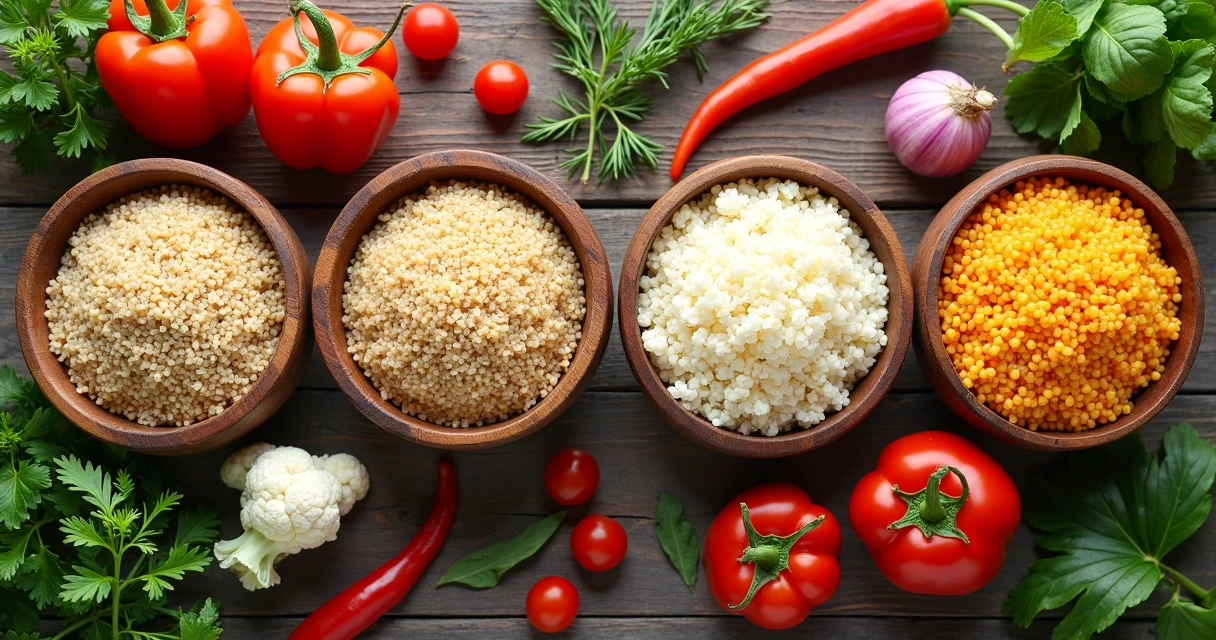 Unlike some guides that are quick to ban rice, at Type2Daily, I aim for practical progress. Keeping a familiar part of your culture, or your favorite comfort bowl, is something you absolutely can do—just with tweaks that fit your goals.
Honoring cultural and emotional ties to rice
I’ve heard it from readers and felt it myself: rice isn’t just food, it’s memory. Family tables, festive meals, even simple weekday dinners—rice brings people together.
No food with meaning needs to be “off limits” for you, even with diabetes after 40. At Type2Daily, I know it’s not about diet math alone, but about routines, habits, emotions, and traditions. That’s why the advice here is always practical and caring: focus on swaps and tweaks, not guilt or rules.
Rice can stay on your table—just differently.
Conclusion: So, what’s the deal—can you eat rice with diabetes after 40?
In my experience, and as science backs up, it’s not about outright banning rice. It’s about portions, pairings, and choosing the types that work for your body.
You do not have to give up rice forever if you manage your servings, choose whole grain options, pair well, and enjoy it as part of a healthy, balanced plate. At Type2Daily, I believe in progress, not perfection—especially after 40.
Want more practical, science-backed, and emotionally supportive daily guides for living with type 2 diabetes? Browse Type2Daily for recipes, wellness tips, and down-to-earth advice designed just for people like you.
Frequently asked questions
What type of rice is best for diabetes?
Brown rice, wild rice, or black rice are better choices because they have more fiber and a lower glycemic effect, leading to a slower, gentler rise in blood sugar. Parboiled rice is also a reasonable option if whole grain rice isn’t available or preferred.
How much rice can diabetics eat daily?
A common approach, supported by meal planning advice from the CDC, is to keep rice or other grains to about 1/4 of your plate per meal. For most adults, that’s roughly 1/4 to 1/3 cup of cooked rice per meal. This allows room for vegetables and lean protein to balance your glucose response.
Can people with diabetes eat white rice?
Yes, but portion size is key. If you choose white rice, pair it with fiber-rich foods like beans, vegetables, and proteins. Consider smaller servings and include it less frequently. Using cold or reheated rice for resistant starch can slightly lower its impact.
What are healthy rice alternatives for diabetics?
Healthy alternatives include brown rice, quinoa, bulgur, barley, and cauliflower rice. These options offer more fiber, protein, and nutrients, and have a lower or moderate glycemic index, which is kinder to blood sugar levels.
How does rice affect blood sugar?
Rice, especially white rice, is digested quickly and can cause rapid increases in blood glucose, while whole grain types slow the process down. The type, quantity, and what you eat with rice all influence your blood sugar response.